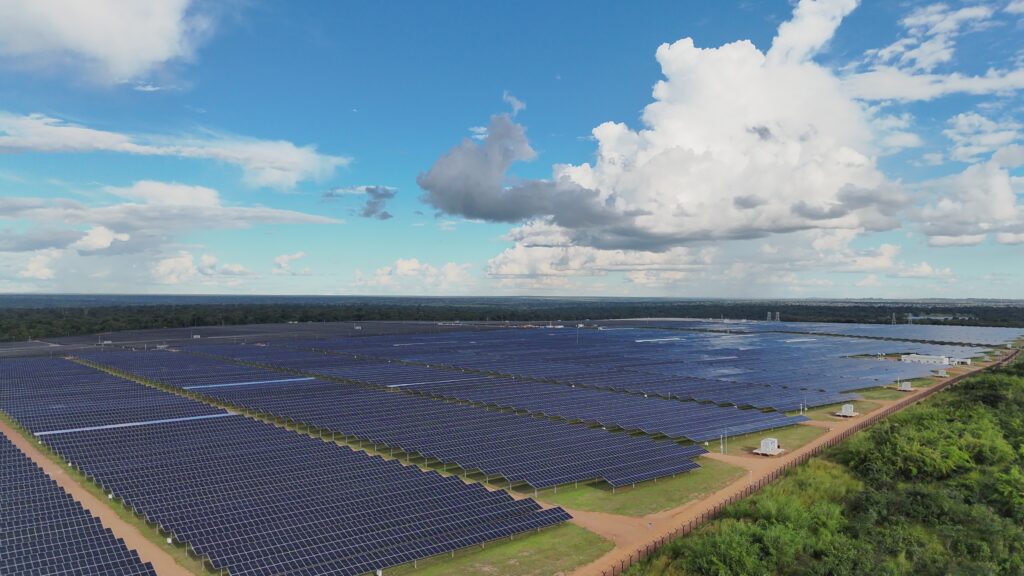

Copperbelt Energy’s Itimpi II: A Blueprint for Zambia’s Next Energy Chapter?
As Zambia accelerates efforts to diversify its power mix and reduce its exposure to increasingly volatile hydrological conditions, utility-scale solar is moving from a supplementary resource to a strategic pillar of the country’s energy system. The commissioning of the 136MW Itimpi II Solar PV Plant marks one of the most significant additions to Zambia’s generation fleet in recent years, arriving at a time when energy security, mining expansion and industrial growth are placing unprecedented demands on the grid.
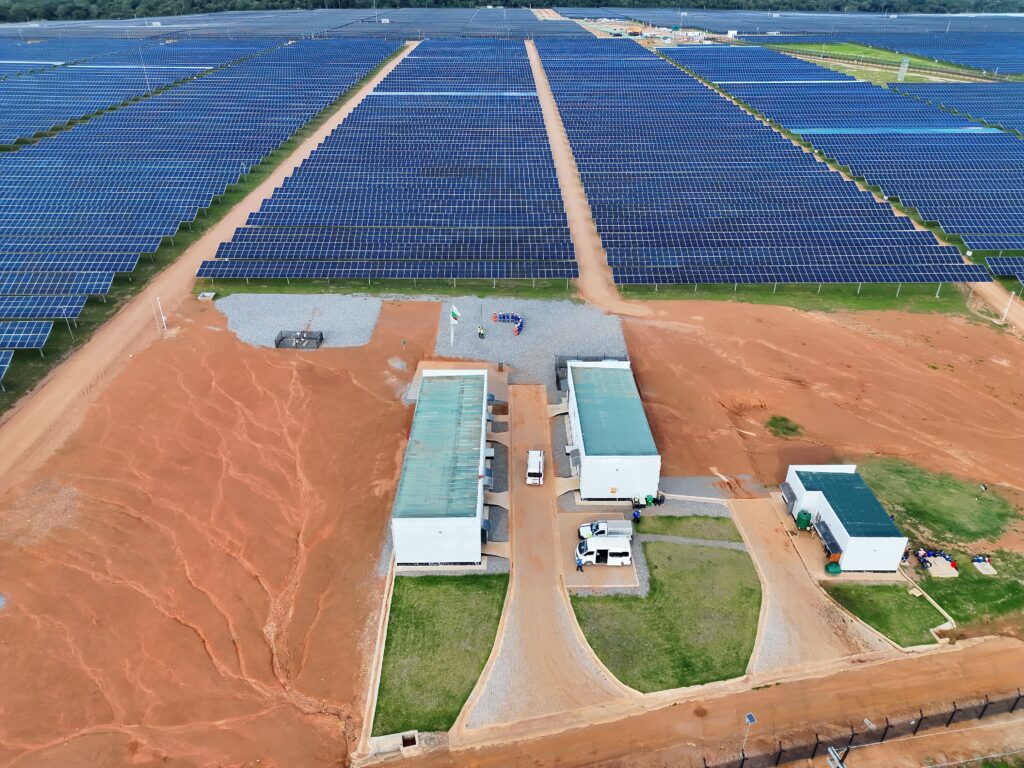
Delivered in just 14 months and financed through local capital markets without sovereign guarantees, the project has drawn attention not only for its scale and speed of execution, but also for what it may signal about the future direction of infrastructure development in Zambia. As policymakers, utilities and investors seek solutions that can be deployed quickly, attract private capital and strengthen resilience against climate-related risks, projects such as Itimpi II are increasingly being viewed as potential templates for future energy investments.
In this interview with Energy News Network (ENN), Mr Owen Silavwe, Managing Director of Copperbelt Energy, discusses whether Itimpi II represents a repeatable model for project delivery, how far solar can reduce Zambia’s dependence on hydropower, the growing role of battery storage, and whether the country’s financial markets are ready to support the next generation of large-scale renewable energy projects.
Was the 14-month delivery a repeatable model, or a one-off success?
It is a potentially repeatable model. The 14-month delivery was achieved through strong, front-loaded project execution. The speed was unlocked through streamlined permitting, fast-tracked licensing, early EPC onboarding and completing land preparation ahead of construction. CEC backed this with tight scope control and a bankable offtake agreement, keeping execution predictable and avoiding midstream surprises. More broadly, this demonstrates that Zambia’s system can move at pace when policy, regulators and developers are aligned.
Has this project reduced Zambia’s exposure to hydropower risk, or only added capacity on the margins?
The commissioning of Itimpi II adds valuable dry-season generation and supports the countering of current hydrological volatility. Every megawatt of solar displaces a level of dependence on reservoirs, particularly during drought stress periods. However, without storage or flexible backup, solar remains non-firm. It shifts the risk profile but does not eliminate it. Zambia’s hydro exposure is still dominant.
How close is Zambia to turning solar into dispatchable, baseload-equivalent power through storage?
The pathway is clear. Solar coupled with battery energy storage systems (BESS) enables firm capacity. The technology is no longer the constraint, as battery cost curves are falling and integration know-how is now advanced. The challenge lies in the commercial structuring, with due consideration of who assumes the cost of storage, the approach to capacity valuation and whether tariffs can absorb the cost of BESS. In this regard, CEC along with potential partners is edging towards hybrid models.
Can local capital markets fund projects at this scale consistently, or does this still depend on ideal conditions?
The funding of CEC’s renewable energy projects through the USD 200 million Medium Term Programme is a demonstration of how the local capital market can fund energy developments. This was strengthened by reforms within the capital market alongside active participation from local banks, signalling increasing capacity and maturity in the local financial market. Together, these factors point to growing confidence in funding large-scale renewable infrastructure locally, with institutional investors becoming increasingly comfortable with long-term energy assets.
Is Itimpi II a milestone, or the start of a fundamentally different power system?
Itimpi II is both a milestone and a catalyst for a fundamentally different power system. While the 136MW solar plant marks a significant achievement in expanding Zambia’s renewable energy capacity and demonstrates the ability of the private sector to deliver large-scale energy infrastructure without sovereign guarantees, its greater significance lies in what it represents for the future. Itimpi II signals a shift from a power system heavily reliant on hydropower to one built on a more diversified and resilient energy mix that includes solar, battery storage and private-sector-led capacity expansion. As Zambia seeks to increase copper production, strengthen energy security and meet growing electricity demand, projects such as Itimpi II are laying the foundation for a modern energy system capable of supporting long-term industrial growth and economic transformation.