Mozambique rural electrification programme is built to taper its own subsidy
A seven-year scheme launched in Maputo in June will reach 225,000 people through solar mini-grids, with private developers selected competitively and paying part of the capital themselves. Results-based payments go to the suppliers of milling, refrigeration and irrigation equipment, on a schedule designed to fall away as the market takes hold.
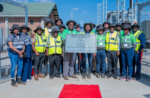
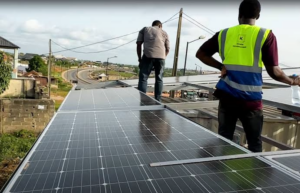
FUNAE, Mozambique’s national energy fund, had 76 mini-grids running by 2021 and just over 6MW of installed capacity behind them. The seven-year programme launched in Maputo on 26 June moves that work from a public delivery model to a private one, reaching 225,000 people, 52% of them women, with Green Climate Fund money and three organisations sharing the job.
Enabel, the Belgian development agency, has worked alongside FUNAE on rural mini-grids for years, including five solar and battery installations in Zambézia and Nampula that took more than 20 socio-economic feasibility studies to site. Sustainable Energy for All provides the policy layer. The government has not disclosed the programme’s value.
FUNAE’s own institutional capacity is strengthened first. A pipeline of investment-ready mini-grid projects comes second. Private developers, chosen through competition, then build and commission. Results-based payments go last to the suppliers of the equipment that consumes the power, from solar irrigation and milling to cold storage.
A mini-grid serving households alone struggles to cover its costs, because domestic demand in a rural settlement is small and concentrated in the evening. A mill, a cold room or an irrigation pump draws steadily through the day and pays for what it uses, which is what makes the connection viable for whoever built it.
Developers put in a portion of the capital themselves rather than receiving a grant, and the incentives for productive-use equipment are set against market conditions and adjusted as they change. The stated intention is to de-risk early investment, draw in private participation and reduce reliance on concessional money over time, which is a subsidy written with its own expiry in mind.
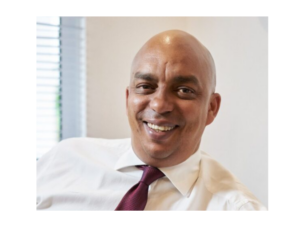
Mety Gondola, FUNAE’s chief executive, put the purpose in plainer terms at the signing. “This project is the start of the Government’s commitment to making a difference in the lives of local residents,” he said. “Energy will act as a platform through which social transformation can be achieved.”
Photo: Unsplash