Kariba generation outlook strengthens on the strongest storage since 2019
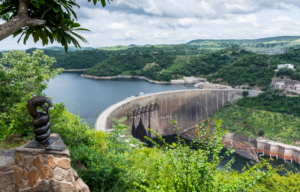
The lake stood at 482.15m in late June, holding 48 per cent of usable storage against 23 per cent a year earlier. The Zambezi River Authority has revised this year’s water for power upward to 36 billion cubic metres, shared equally between ZESCO and the Zimbabwe Power Company.
The gauge at Kariba read 482.15m on 22 June, which is 48.09 per cent of the water the dam can actually use for generation. On the same date last year it held 23.47 per cent. In 2024, at the bottom of the drought, usable storage fell to 13 per cent.
The Zambezi River Authority has responded by revising the 2026 water allocation for power generation to 36 billion cubic metres, up from the 30 billion set last November, with 18 billion each for ZESCO in Zambia and the Zimbabwe Power Company. Acting chief executive Christopher Chisense said normal rainfall in the Upper Zambezi Catchment and normal to above-normal rainfall in the Lower Catchment produced above-average inflows into the reservoir.
The two power stations either side of the wall carry 2,010MW between them, 1,050MW at Kariba South for Zimbabwe and 960MW at Kariba North for Zambia. Both have run for three years under caps set by the shrinking reservoir, and the ZRA reported last November that ZESCO’s generation had run so far beyond its 2025 share that a penalty of around $5.1 million was projected. A larger allocation is the difference between managed rationing and something closer to design output.
River flows feeding the lake are receding, which is what the dry season does. Inflows at Chavuma fell from 362 cubic metres per second on 30 June to 253 by 21 July, and flows at Victoria Falls dropped from 1,549 to 980 over the same period. The Authority’s assessment is that the seasonal decline sits within the strong position the rainfall built, and the revised share holds.
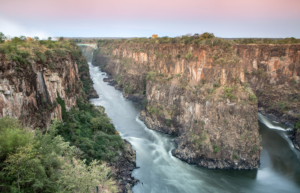
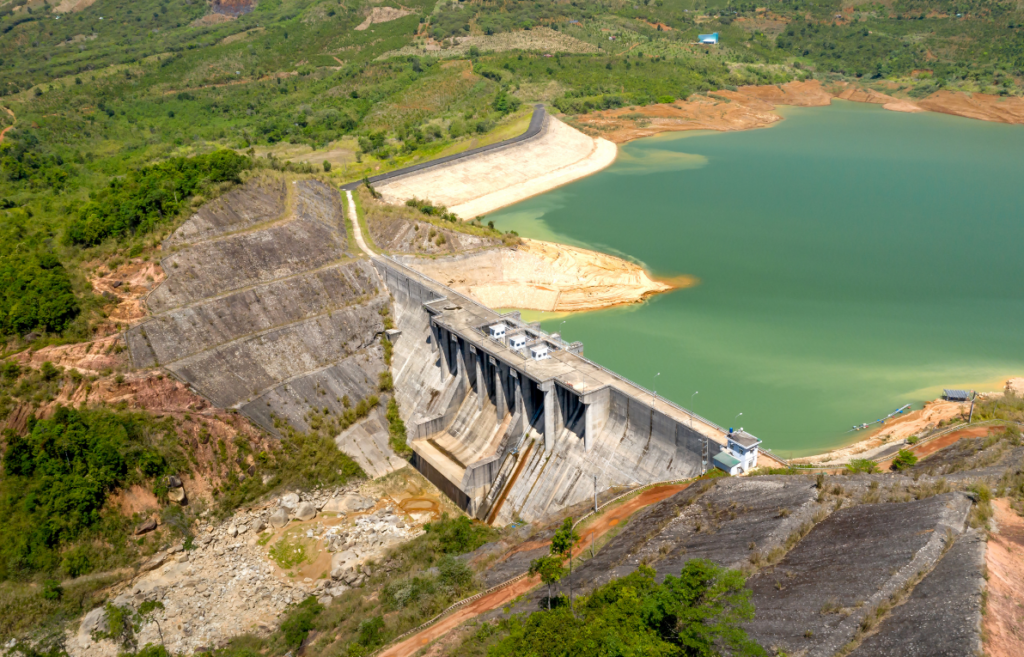
The dam itself is close to the end of a $294 million rehabilitation that began in 2017, supported by the World Bank, the African Development Bank and the European Union. Reshaping of the plunge pool was finished in 2024, refurbishment of the six spillway sluices is 99 per cent complete, and the works are expected to close out by September, extending the structure’s working life by at least 50 years.
The Authority will set the 2027 allocation later this year against the coming season’s forecasts, and it has committed to continued monitoring across the Zambezi Basin through its 13 hydrometric stations. Chisense has described the rehabilitated dam as “a cornerstone of regional energy security”, and for the first time since 2019 the water behind it supports the claim.