
Zambia solar programme awards 312MW with councils holding equity in each plant
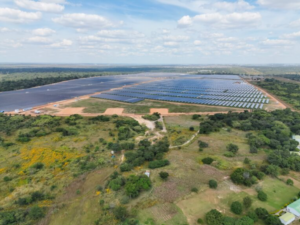
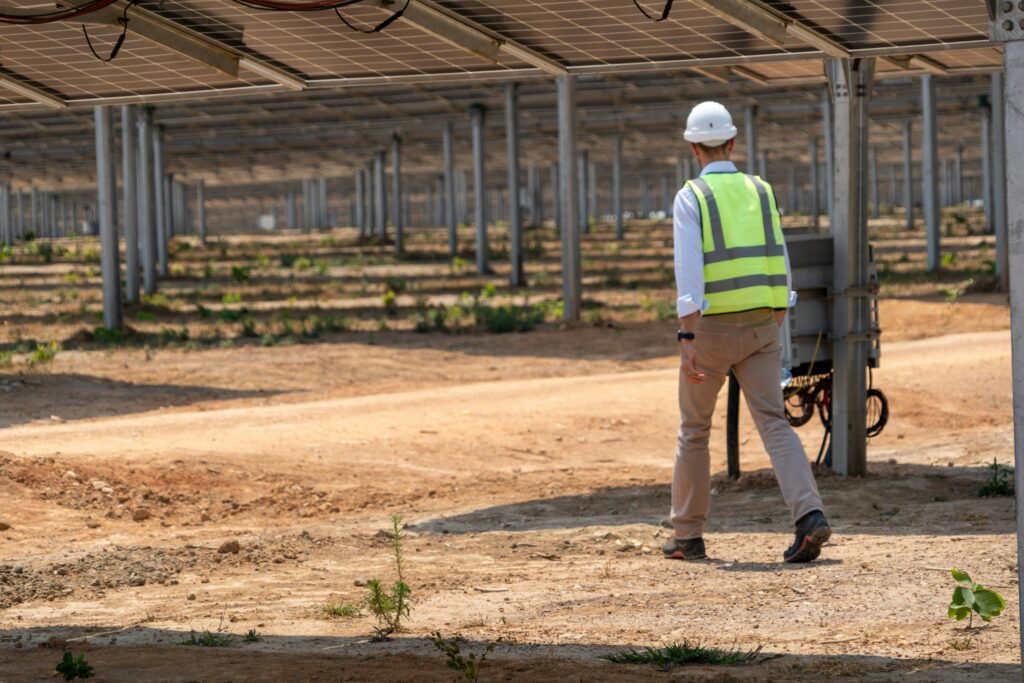
Five contractors have twelve months to build a 2MW solar plant in each of 156 Zambian constituencies, each with 4MWh of battery storage attached. Together the sites come to 312MW. The Presidential Constituency Energy Initiative was tendered late in 2025 and the government puts its value at ZMW 4.3bn, around $238m, with 15,600 jobs attached.

The structure is what separates it from the utility-scale build running in parallel. Rather than one large plant on one balance sheet, the programme repeats a standardised small plant 156 times, financed partly through the Constituency Development Fund and connected directly into ZESCO’s network at each point. ZESCO is not the developer. The utility takes the role of project manager, setting technical standards and handling grid integration.
Nicholas Phiri, Permanent Secretary at the Ministry of Local Government and Rural Development, set out the part that will interest anyone watching how African utilities finance distributed generation. Local authorities will share equity in the plants, he said, describing it as a revenue stream supporting community development. A council that hosts a plant holds a stake in it rather than simply receiving the electricity.
The winning bidders are joint ventures apart from one. Sunshare Construction is paired with China Railway Construction Engineering Group, Chetam Metals Fabrication with ZamChin Construction Company, and Golden Baobab Investments with Huawei Technologies Zambia. China Jiangxi International Corporation is working with Qingdao Haier Photovoltaic New Energy Company, and China Civil Engineering Construction Company Limited holds a contract on its own. Three of the five leads are Zambian.
The number 156 is already historic. Zambia’s electoral commission added a further 70 constituencies earlier this year, so the programme as awarded covers the map as it was rather than as it now stands, which leaves an open question about the balance and how it gets funded.
Set against ZESCO’s own build, 312MW is a modest share. The utility reached 800MW of solar with the second phase at Chisamba, against a national target of 10,000MW by 2030, and Afrobarometer polling shows 47 per cent of Zambian homes already sourcing electricity outside ZESCO. What makes the constituency programme worth following is not the capacity but whether an equity stake held by a local authority produces a plant still running well in ten years.
Photos: Unsplash