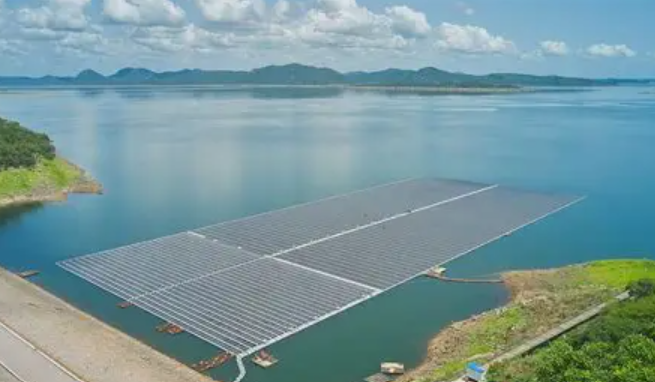
Ghana starts building the first 100MW of a 1.5GW solar programme for industry
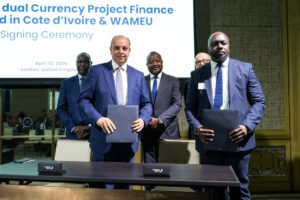
Dr Augustus Goosie Tanoh told the opening of Ghana Investment and Trade Week that construction begins in August, under a joint development agreement signed in April. The government is aggregating demand from industrial parks and inland ports to give generators guaranteed offtake.
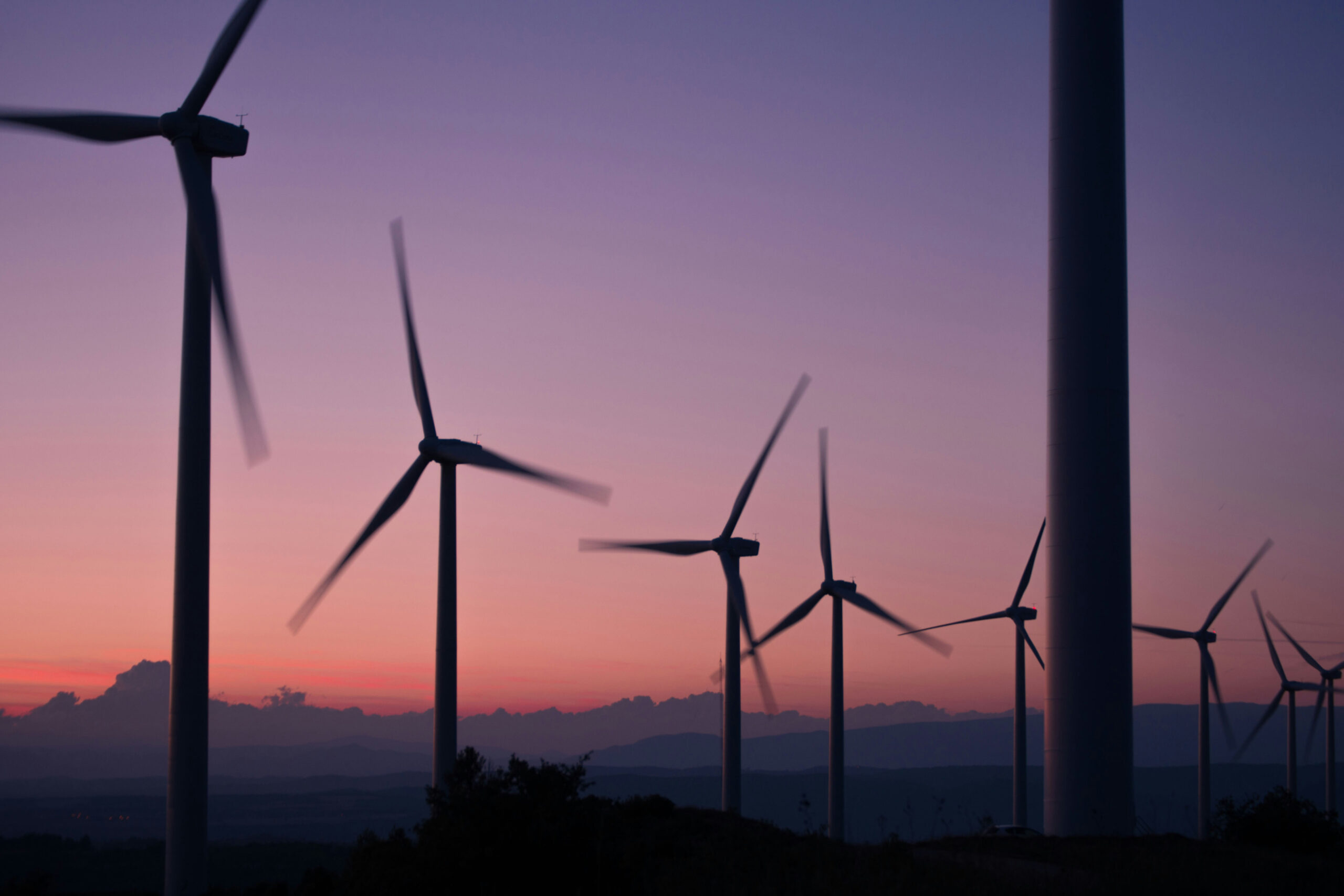
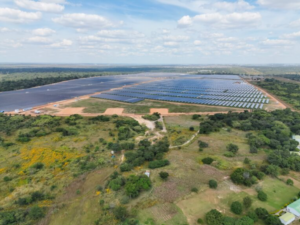
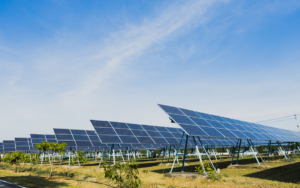
Construction of the first 100MW facility begins this month, under a programme co-developing up to 1.5GW of utility-scale solar backed by battery energy storage. Dr Augustus Goosie Tanoh, Senior Presidential Advisor and Coordinator of the 24-Hour Economy and Accelerated Export Development Secretariat, set it out at the opening of Ghana Investment and Trade Week in Accra on 7 July. The joint development agreement was signed on 10 April.
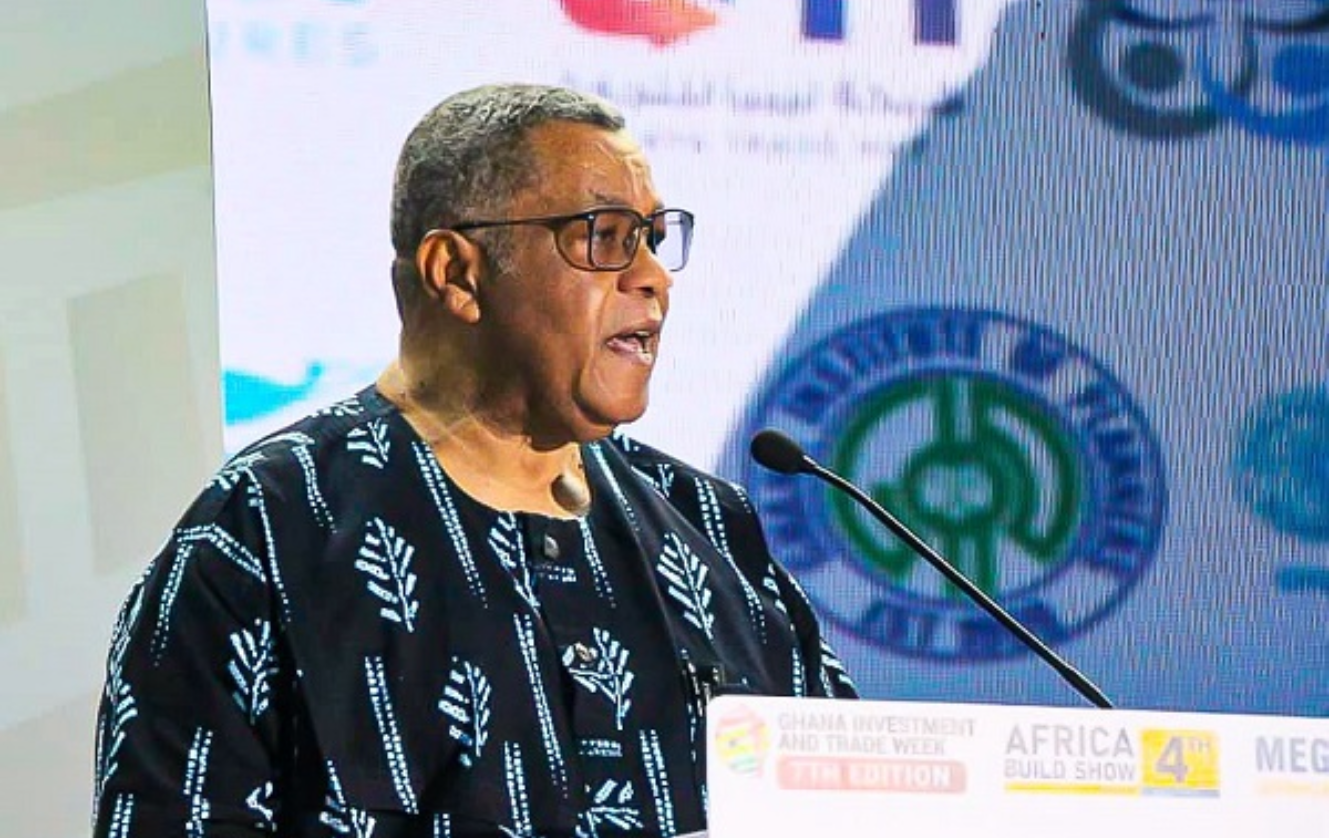
The purpose is industrial rather than domestic. Tanoh said lower power costs would improve the competitiveness of Ghanaian manufacturers, reduce production expenses, attract investment and support employment by making locally produced goods more competitive at home and for export.
The offtake is being assembled alongside the generation. The government has begun aggregating electricity demand from industrial parks, inland ports and logistics hubs, so that investors in power projects have guaranteed arrangements to sell into before they build.
It sits inside a wider programme. Dr John Abdulai Jinapor, Minister for Energy and Green Transition, has said Ghana is targeting 1,000MW of solar capacity and is already running a 200MW competitive solar tender, with solar-plus-storage intended to improve reliability against growing demand. The ministry has been finalising a $3.4 billion strategic plan for 2026 to 2030 covering the renewable value chain, electric mobility and three green economic zones in the Central, Volta and Savannah regions.
The framing throughout is value addition. Tanoh described the 24-Hour Economy programme as addressing the long-standing pattern of exporting raw materials and importing finished goods, by expanding domestic manufacturing capacity and increasing production for local consumption and export alike.
The renewable programme is also intended to support electric mobility, affordable housing and agro-industrial parks. Ghana Investment and Trade Week ran in partnership with the Ghana Chamber of Construction Industry, with support from the trade bureau of China’s Ministry of Commerce, India’s Engineering Export Promotion Council and the Ghana Investment Promotion Centre.