
EXCLUSIVE: The mine is becoming Southern Africa’s anchor power buyer
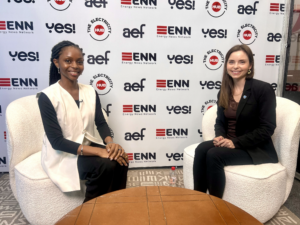
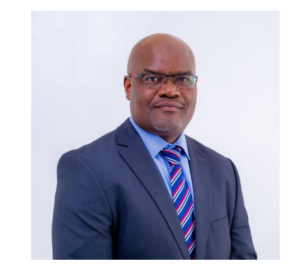
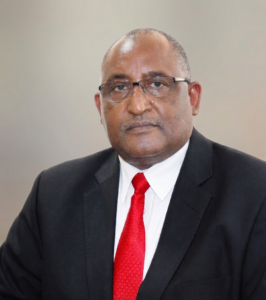
Vincenzia Leitich, Executive Vice President for Power and Renewables Client Coverage at Standard Bank Corporate and Investment Banking, tells ENN what a lender needs before a mine can anchor a power project in Zambia or Zimbabwe, and what would make a cross-border power purchase agreement bankable today.
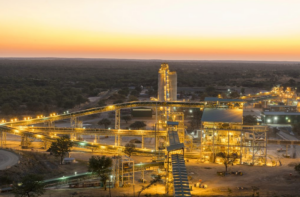
Across Zambia and Zimbabwe, the buyer that makes a new power plant possible is increasingly a mine, and Vincenzia Leitich of Standard Bank calls the rise of mines as anchor customers, along with the sale of power to traders across the region, the biggest shift the bank is seeing in Southern Africa. Mines “are often a stronger credit than the utility and can provide the long-term demand needed to underpin investment,” she told ENN. In Zambia, the bank’s internal focus is on independent power producers selling to traders as well as to mining and private-sector offtakers, alongside opportunities linked to mining and regional power flows.
“From a lender’s perspective a mining PPA is not automatically bankable simply because the offtaker is a mine,” Leitich said, and the bank first needs to see that the mine is creditworthy, with the ability and willingness to pay over the full tenor of the debt. Ideally the offtaker is an established miner of real size with a strong balance sheet and production costs that stay competitive through commodity cycles.
The bank also needs to see that the mine has sufficient life left in its reserves, and Leitich set out the arithmetic. “If the mine only has ten years of proven reserves, it becomes difficult to support a fifteen- or twenty-year financing without additional support,” she said. “We need confidence that the asset paying for the power will still be operating throughout the debt period.”
She wants the PPA itself to be long-term and either take-or-pay or capacity-based, with clear termination payments and payment-security provisions under a predictable tariff framework, and she wants certainty that the power can be delivered, because “generation is only one part of the solution”. “Transmission access, wheeling arrangements, system availability and regulatory approvals are equally important,” she said. “If the mine can provide stable, contractual, hard-currency-linked cash flows and the transmission path is secure, mining-backed projects can often be more bankable than utility-backed projects.”
Leitich applies the same question of whether the buyer can pay when power crosses a border, where traders and open access are changing who buys it. Standard Bank sees “significant opportunity in traders, aggregators and regional SAPP-linked transactions”, she said, with interest in GreenCo and other market intermediaries. “Whether the buyer is a trader, aggregator, utility or mine, lenders must be confident that the entity can pay for the power.” Where that confidence needs support, it may come from letters of credit, escrow arrangements, guarantees, reserve accounts or development finance institutions, and she sees value in receivables-backed structures for making repayment more certain.
“Cross-border projects are often difficult because of transmission constraints rather than because of generation issues,” Leitich said, returning to the problem she raised for mines, and lenders need certainty over interconnector availability, wheeling arrangements, congestion management and access rights in every jurisdiction involved. Regional transmission developments such as ZIZABONA are, she said, “critical for increasing trade capacity”.
The region also needs “transparent arrangements for scheduling, balancing, settlement and reconciliation”, in her view, because “open-access markets only attract capital when market participants know exactly how energy flows, how losses are allocated and how payments are settled”, a point she noted has been highlighted in regional policy work around cross-border trading. Currency brings back the hard-currency point she made about mines, since most project debt is raised in US dollars while revenues may be earned in local currencies, and a bankable structure needs hard-currency revenues or contractual indexation, or else hedging that lenders can accept. “Currency mismatch is one of the biggest risks in cross-border power deals,” she said.
Traders and aggregators also change where the risk sits, because lenders are no longer relying on one utility when “projects can increasingly sell into portfolios of mines, industrial customers and traders”, which Leitich said reduces concentration risk and can improve overall bankability. “This is a theme we have been actively exploring in Zambia and the broader SAPP region,” she said.
The Zimbabwe-Zambia Energy Projects Summit takes place in Livingstone, Zambia, from 3 to 5 November 2026.