Uganda Mission 300 compact: what will it take to reach its 2030 targets?
Uganda and the African Development Bank Group will host the 11th Africa Energy Market Place in Kampala on 21 and 22 October, where government and private investors will work through how to deliver the Mission 300 compact Uganda launched at the Africa Energy Forum in June.
Uganda’s Ministry of Energy and Mineral Development and the African Development Bank Group will bring ministers, regulators, utility chief executives, development partners and private investors to the Kampala Serena Hotel on 21 and 22 October. At the 11th Africa Energy Market Place, they will work through the reforms and investment needed to meet the 2030 targets in Uganda’s Mission 300 National Energy Compact.
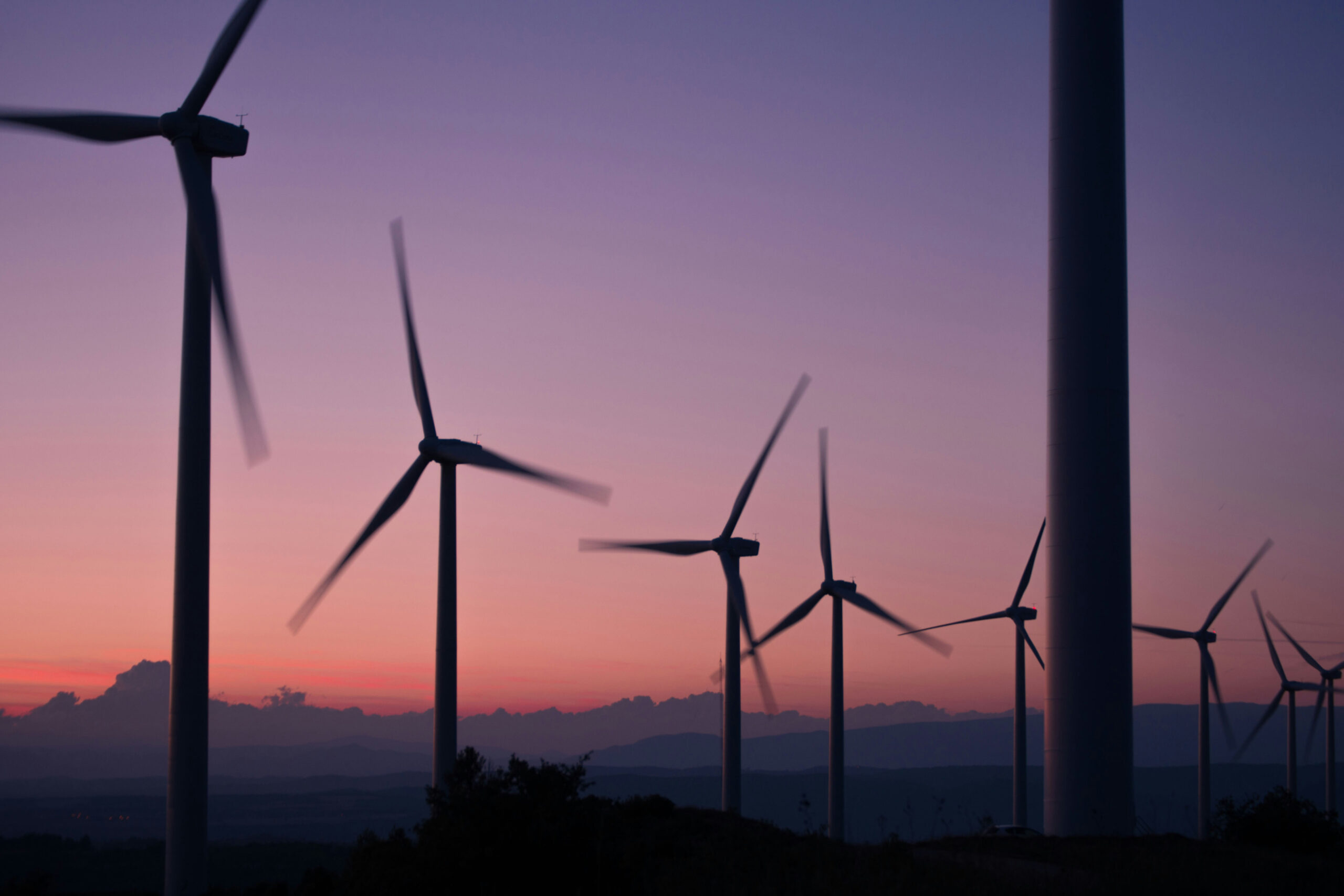
Generation comes first among the five areas the market place will cover, and Uganda’s fleet is already more than 90% renewable on the strength of five hydropower stations on the Nile. The compact commits the country to a threefold rise in firm electricity exports by 2030 to neighbours that already include Kenya, Tanzania, Rwanda and the Democratic Republic of Congo.
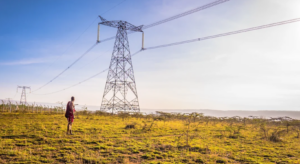
Private money is already in transmission, after Uganda brought the continent’s first independent power transmission project to financial close in March. The market place will look at how to attract more private participation while keeping utilities financially viable and tariffs affordable.
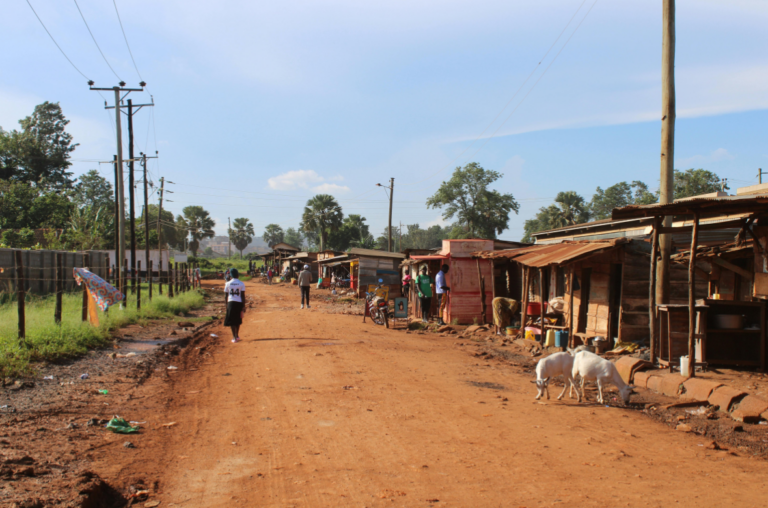
At the last mile, the compact relies on distributed renewable energy and clean cooking, under a national strategy that covers LPG, electric cooking, improved biomass and bioethanol and aims to reach half of all households by 2030.
Across the continent, the Mission 300 partnership between the African Development Bank Group and the World Bank Group reported in June that more than 50 million people had been connected in 40 countries since its launch in 2024.