Mission 300’s map fills in with six new compacts
Burkina Faso, the Central African Republic, Djibouti, Gabon, Rwanda and Uganda signed national energy agreements at AEF, carrying Africa’s largest electrification drive deeper into Central and East Africa, while the AfDB’s Daniel Schroth pointed to a partnership that now counts more than thirty development finance institutions.
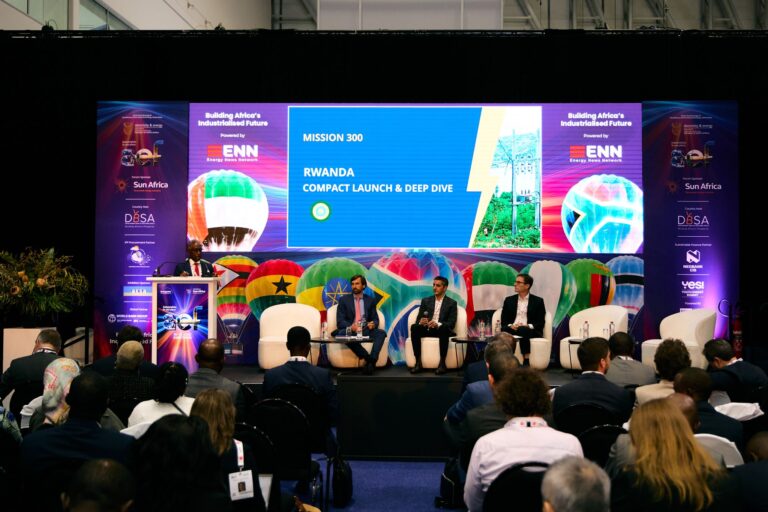
Six countries put their names to national energy compacts at the Africa Energy Forum, in the same week the programme behind them marked 50 million people connected. Each compact is a country’s own plan, setting out how it will strengthen its utility, widen its generation and make room for the private capital its grid needs, and the six new signatures take the map deeper into Central and East Africa.
The machinery behind the compacts has grown with them. “It is far larger now than when it was first launched, with more than 30 DFI partners on board,” said Daniel Schroth of the African Development Bank, one of the two institutions driving Mission 300 alongside the World Bank.
The countries arriving at the table are not starting from zero. Uganda’s Monica Musenero, appointed Minister of Energy and Mineral Development only weeks before the forum, pointed to a reform record that long predates the programme. “Since 2010 we have been intentionally welcoming private sector participation,” she said. “Now we have a proud record of being the best regulated electricity sector in Africa for the past eight years.”
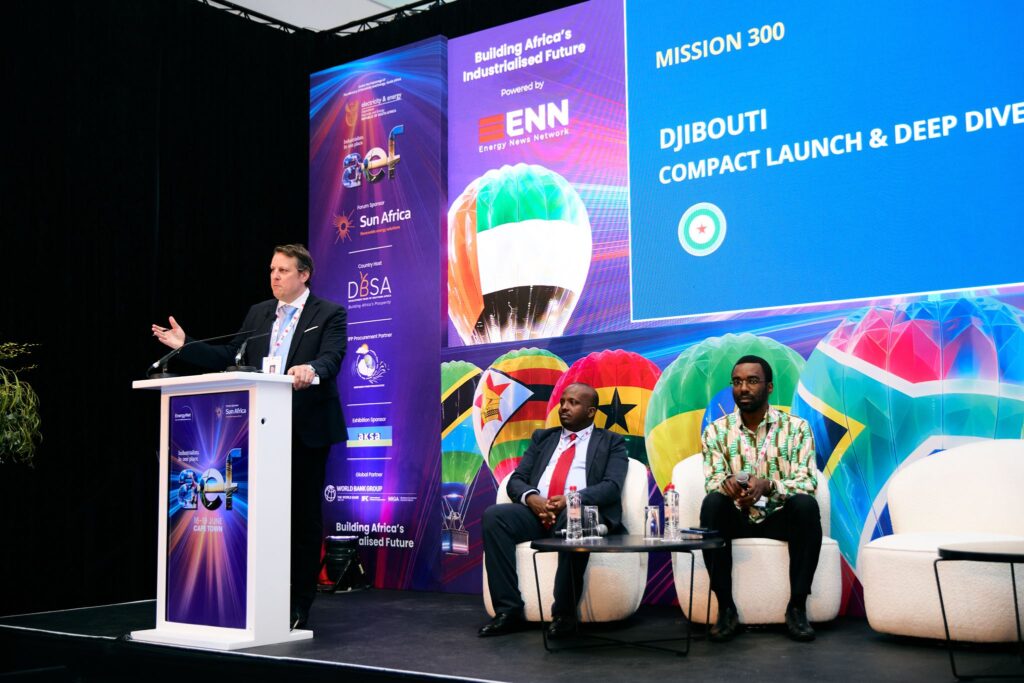
Djibouti’s compact reaches further than most. “The goals set are very ambitious, including 100% renewable energy and 100% access to electricity by 2035,” said Mohamed Kileh Wais, Secretary General of the country’s Ministry of Energy and Natural Resources, a target that would place Djibouti among the first on the continent to claim both.
The forum’s opening had already given the programme its running total, 50 million people connected and a sixth of the way to 300 million by 2030. The compacts are how the remainder gets built, country by country, each government answerable for its own share of the map.
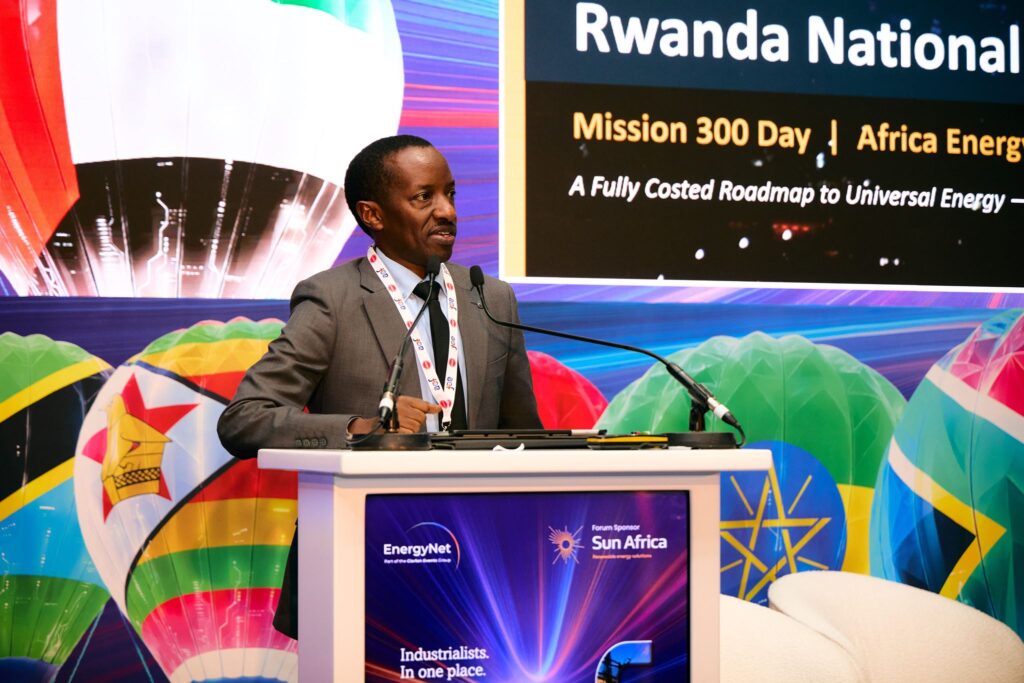
Rwanda’s Minister of Foreign Affairs and International Cooperation, Olivier Nduhungirehe, put the signature in the terms that carry furthest. “It is not about hitting a number,” he said. “It is a promise to every Rwandan family waiting for a connection.”