Africa’s new energy bank faces a $200bn financing challenge
The Africa Energy Bank has named Egyptian banker Helmy Ghazi as its inaugural president, following its formal establishment by Afreximbank and the African Petroleum Producers’ Organisation. With $5bn in authorised capital, the Abuja-based institution is intended to finance projects across the energy value chain as African countries seek greater control over the funding of their energy industries.
Africa’s estimated $200bn energy investment requirement provides the backdrop to the establishment of a new continental financing institution, with the Africa Energy Bank naming its first president on 4 November.
Helmy Ghazi, formerly deputy chief executive and managing director of HSBC Bank Egypt, has been appointed to lead the institution, which was established by the African Export-Import Bank (Afreximbank) and the African Petroleum Producers’ Organisation (APPO).
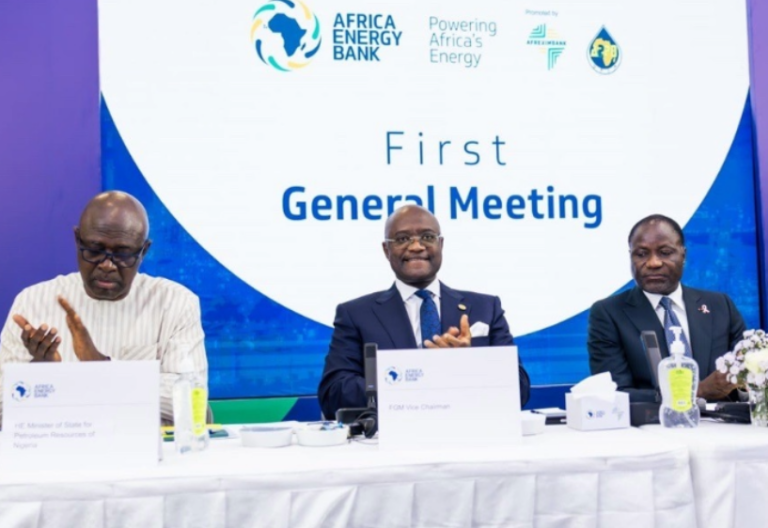
The appointment follows the bank’s inaugural general meeting in Abuja on 31 October, where its first board of directors was also constituted.
The institution has authorised capital of $5bn and is intended to support projects across the energy value chain, including oil and gas exploration and production, transportation, processing, refining and distribution.
Its establishment comes as traditional international lenders reduce their exposure to some fossil fuel projects, despite the continuing importance of oil and gas to African economies and their energy systems.
The bank’s founders intend it to provide an additional source of financing, drawing investment from African governments, national oil companies, financial institutions and private investors.
Its mandate also includes supporting domestic production capacity, reducing dependence on imported petroleum products and increasing trade in energy products between African countries.
The institution is designed to operate as an independent supranational financial institution, giving it a continental remit beyond the priorities of any individual national energy market.
The $5bn authorised capital establishes the bank’s stated capital framework, but should not be confused with funds already deployed or immediately available for lending. Its ability to finance projects at scale will depend on how successfully it raises and mobilises investment.
The appointment of Ghazi and constitution of the board provide the institution with its initial leadership structure as it moves towards operations.
Images: GTR