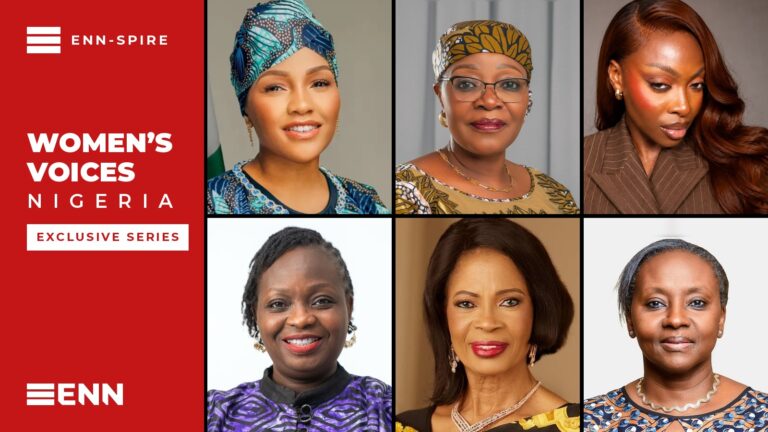
EXCLUSIVE: Six of Nigeria’s leading women in energy lend their voices to our series
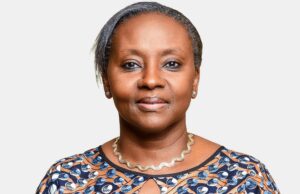
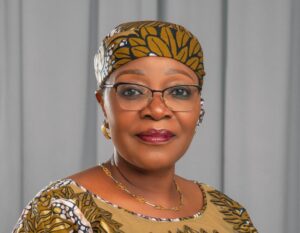
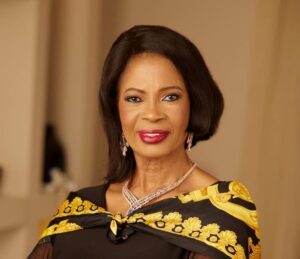
Marième Travaly of the IFC, Princess Zahrah Mustapha Audu of PEBEC, Janet Adeyemi of WIMIN, Felicia Dairo of NIWIMNRO, Rose Ndong of NMGS and Rebecca Agadumo spoke to ENN for its Women’s Voices Nigeria series before Nigeria NOW!, and their answers are gathered here with a link to each interview.
A lithium processing plant commissioned in Nasarawa this year is the investment Rose Ndong, President of the Nigerian Mining and Geosciences Society (NMGS), points to when she describes what Nigeria should build next, and she told ENN for our Women’s Voices Nigeria series that the opportunity runs well beyond the mine, into “beneficiation, refining, laboratory services, equipment supply and eventually battery-related manufacturing”.
Felicia Dairo, Executive Director of the Nigerian Indigenous Women in Mining and Natural Resources Organisation (NIWIMNRO), said local processing carries a stronger emphasis under the current administration, and she pointed investors to the infrastructure it depends on, “including reliable energy, transportation, mineral testing laboratories and other services required to make processing commercially viable”. Investment commitments, in her view, “do not move the needle unless they translate into concrete action on the ground”.
Every link of that mine-to-market chain is a place investors should expect to find women, in the view of Janet Adeyemi, National President of Women in Mining Nigeria (WIMIN), who would also give investors a single route through the approvals they need. “Don’t see women merely as beneficiaries of mining investment,” she said. “See them as investors, entrepreneurs, suppliers, professionals, processors, exporters and partners.”
Once a licence is granted, the biggest delays often come “when investors must source funding”, according to Ndong, and Marième Travaly, Infrastructure Director for West, North and Central Africa at the IFC, wants Nigeria’s infrastructure deals to become markets that keep that funding coming. “The real opportunity in Nigeria is not financing a few successful projects,” she said. “It is building markets that can attract capital repeatedly and at scale.”
At the scale of a single startup, Rebecca Agadumo, Programme Development and Delivery Specialist, argued that “the financing pathway should follow the business”, pointing to Newdigit, which supplies Nigerian healthcare facilities with electricity and medical-grade oxygen from fuel cells, among the young cleantech companies coming through in Nigeria.
Who sits in the rooms where those decisions are taken ran through the series as well, and Adeyemi said that “you cannot build a modern mining industry while systematically excluding half of the population from the decisions that shape it”. Ndong has watched that change come from “moving from advocacy to practical opportunities”, through mentorship and technical training, and wants women on committees and in leadership at NMGS on the basis of competence, because “representation must become part of how we develop talent, rather than an occasional intervention”.
Agadumo told ENN that a solution designed without women’s active contribution is never complete, and Princess Zahrah Mustapha Audu, Director-General of the Presidential Enabling Business Environment Council (PEBEC), said that “women should never feel that they have to approach leadership from a position of limitation”.
Read the full series
- Marième Travaly of the IFC on turning Nigeria’s infrastructure deals into markets
- Princess Zahrah Mustapha Audu of PEBEC on women in leadership
- Janet Adeyemi of WIMIN on women owning a stake in the mine-to-market chain
- Felicia Dairo of NIWIMNRO on minerals processed in the country that mines them
- Rose Ndong of NMGS on lithium processing and a single approval window
- Rebecca Agadumo of UNIDO’s Global Cleantech Innovation Programme on why financing should follow the business