EXCLUSIVE: Linda Thompson of Kwama Energy’s Mphepo Power on Zambia’s 350MW Katete wind farms
Linda Thompson, Managing Director of Mphepo Power, makes the case for wind in a Zambian grid built around hydro, after the Zambia Environmental Management Agency approved 350MW across the Unika I and II wind farms near Katete, developed in partnership with the Chewa people, ahead of the Zimbabwe-Zambia Energy Projects Summit.
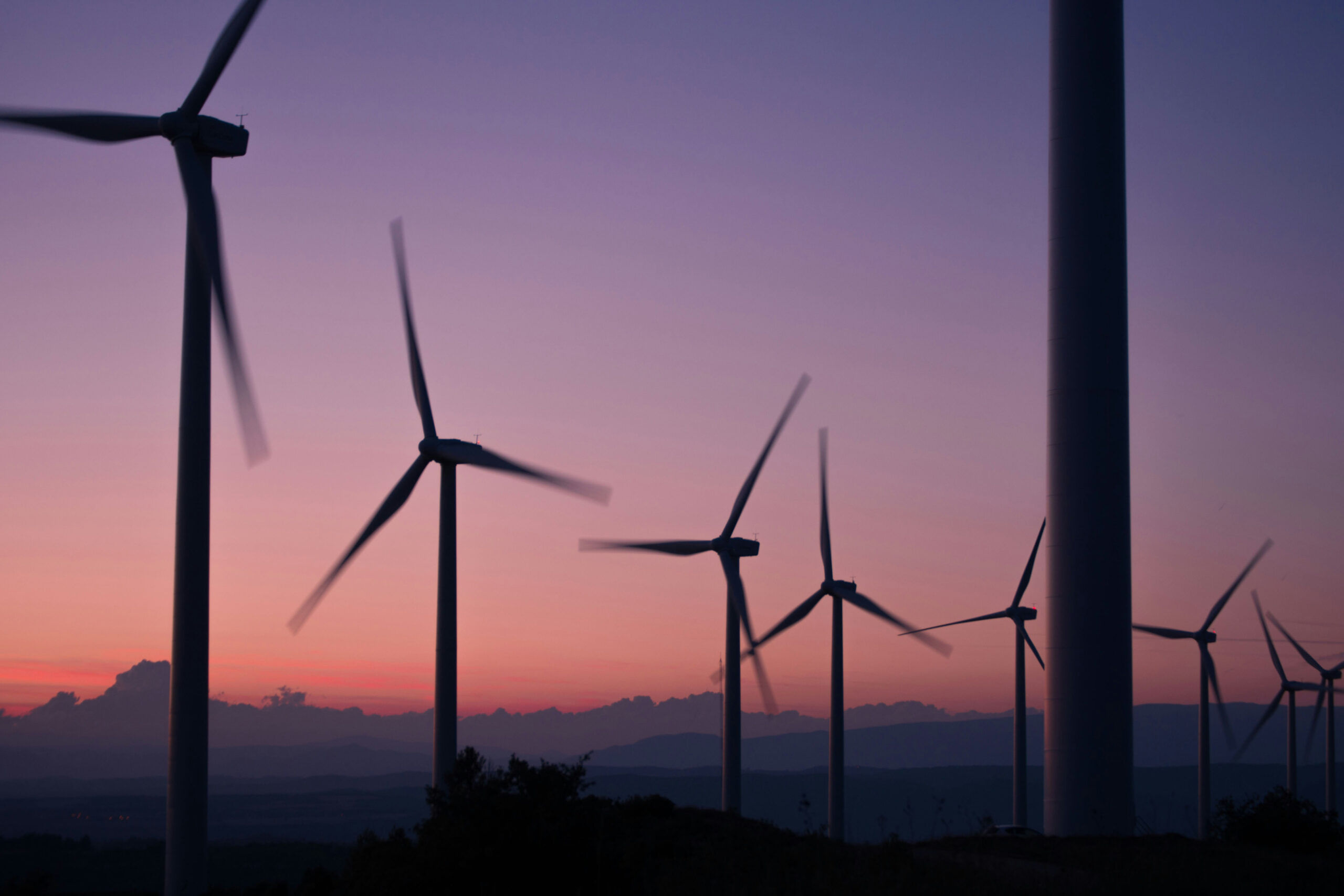
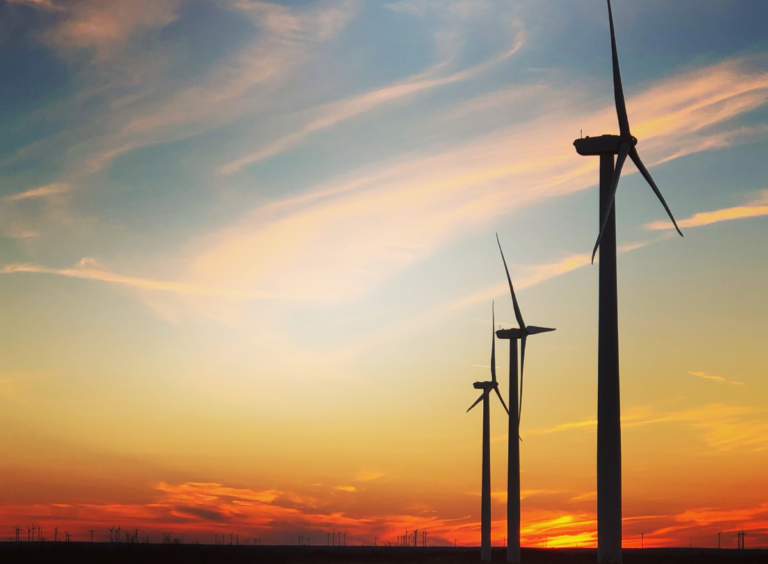
Up to 42 turbines are cleared to rise in Chief M’bangombe’s Chiefdom north of Katete, after the Zambia Environmental Management Agency (ZEMA) approved Mphepo Power’s 350MW Unika I and II wind farms on 24 September, and Linda Thompson, the company’s Managing Director, says wind earns its place in Zambia’s mix by generating when the country’s rivers run low and its solar plants go dark.
“Wind typically generates in the dry season, when run-of-river output is reduced, and in the evenings, when there is no solar,” said Thompson, who spent ten years leading Mainstream Renewable Power’s business development in Africa. Eastern Province, she told ENN, has a good wind regime and good grid infrastructure for a wind project, in a country that has built its power around hydro.
Three weeks after the approval, the Zambezi River Authority cut the water allocated for power generation at Kariba in 2027 to 23 billion cubic metres, from 36 billion this year, leaving ZESCO 11.5 billion cubic metres, after forecasts of below-normal rainfall linked to El Niño. Zambia was rationing power two years ago, when drought brought load-shedding schedules that gave households about three hours of power a day.
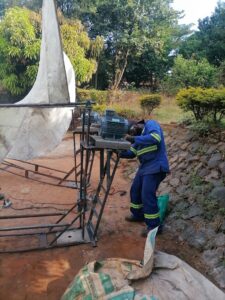
Mphepo, whose name is the Chichewa word for wind, has been working towards Unika since November 2019, when a 120-metre mast went up north of Katete to measure the wind for what was then a 200MW project, with the Chewa Development Trust (CDT) among its shareholders on behalf of Paramount Chief Kalonga Gawa Undi. The Chewa people now hold 10% of Mphepo through the CDT, and the company is developing the project with TotalEnergies, with 200MW planned for Unika I and 150MW for Unika II, connected to the national grid by 330kV overhead lines.
Wind asks more of a developer in Zambia than solar does, Thompson said, beginning with a resource that has been well measured and recorded and a thorough environmental and social impact assessment, “as constraints for wind are significant”, before the permits and the infrastructure, roads included, that a wind farm depends on. Mphepo’s assessment ran through public consultations in 2021 and disclosure meetings in 2022 before ZEMA’s approval this year.
Bankability, she said, still rests on a strong offtaker and solid economics in a project developed to IFC standards, and for wind to become an ordinary part of the mix in a landlocked country, Zambia and its neighbours will need significant investment in their roads, along with more skills and a deeper understanding of wind.
The partnership with the Chewa has worked very well through all of it, Thompson said, with the CDT sitting on Mphepo’s board throughout the development of Unika I and II and giving leadership at corporate and project level. “CDT brings useful insight into the community and its priorities, and supports us in working collaboratively with the communities affected by the projects,” she said.