Mission 300 reaches its first 50 million people
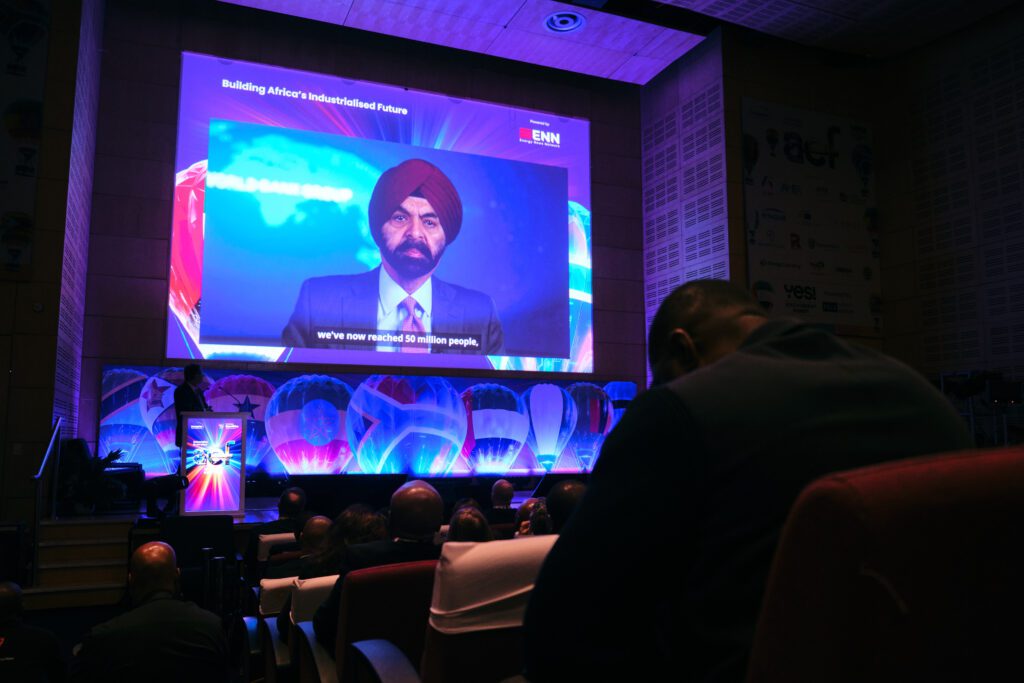
Africa’s largest electrification drive set out to bring power to 300 million people by 2030. At the opening of AEF 2026, the Presidents of the World Bank and the African Development Bank used a joint video message to mark how far it has already travelled, and what is carrying it.
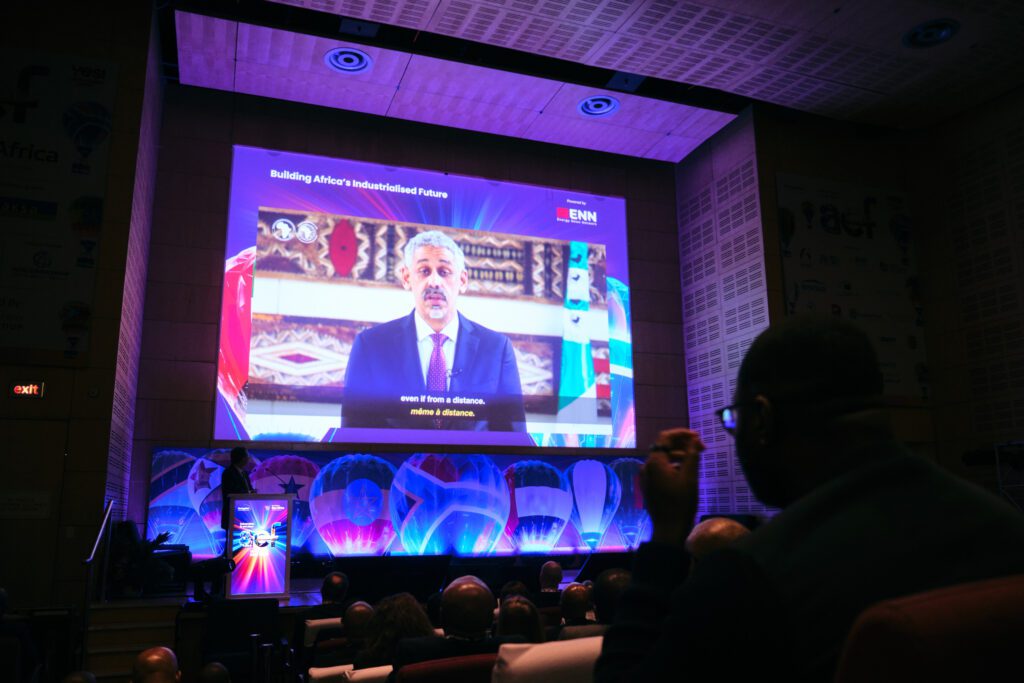
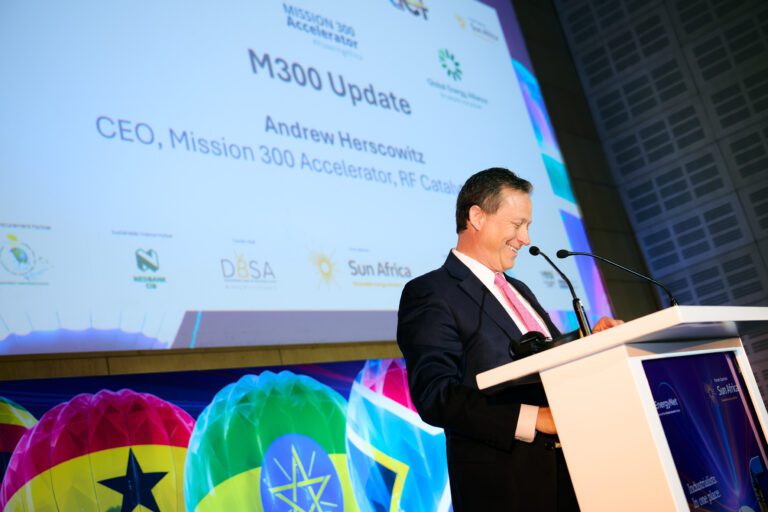
Electrifying a continent has rarely moved at the speed Mission 300 is now setting, close to double its early pace. At the opening of the Africa Energy Forum in Cape Town, the Presidents of the World Bank and the African Development Bank put a number to it, in a joint video message introduced by Andrew Herscowitz of the Mission 300 Accelerator. More than 50 million people across 40 African countries have gained access to electricity since the initiative began, a sixth of the way to the 2030 goal. Mission 300’s success, Herscowitz said, will not be measured in deals struck by 2030 but in the number of lights switched on.
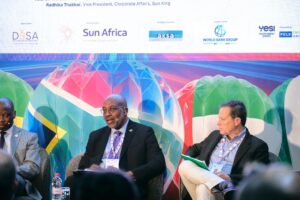
What it adds up to was put most plainly by the host nation. Africa, South Africa’s Minister of Electricity and Energy Dr Kgosientsho Ramokgopa told the forum, is not asking the world to finance dependency, but to invest in the greatest growth opportunity of the 21st century.
For Ajay Banga of World Bank, the figure matters less than the machine behind it. What stands out, he said, is a way of working that brings governments, development banks and private investors onto the same agenda, and builds something others can draw on and scale for years to come.
That approach shows most clearly in the countries furthest along. Tanzania has brought power to around 7.5 million people, five times quicker than before the initiative, as financing and political will moved together. Ethiopia has reached 4.6 million after reforms lowered the cost of a grid connection. In Nigeria, more than 4.5 million have come online through commercial operators, with public finance shaped so that commercial providers can enter new markets once too costly to serve.
The capital behind it it is built to multiply. The two banks have committed close to $15 billion between them and drawn in a further $4.5 billion alongside, with more than $7 billion pledged by other partners. Grants, guarantees and concessional finance are layered so that private investment follows, carrying every public dollar further.
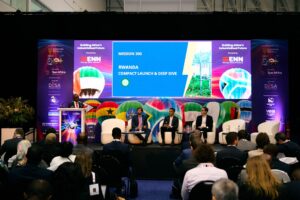
Underpinning the connections is the groundwork being laid for what comes next. Thirty countries have now signed national energy compacts, their own plans to strengthen utilities, widen generation and draw in private capital, with Burkina Faso, the Central African Republic, Djibouti, Gabon, Rwanda and Uganda expected to add theirs during the forum. Sidi Ould Tah of the African Development Bank called the moment a launchpad, the base from which quicker electrification can carry irrigation to farms, reliable power to clinics and fresh opportunity across the continent. Connecting 50 million people to electricity shows the model works. What follows now has momentum behind it.