The women now making the sector’s hardest arguments
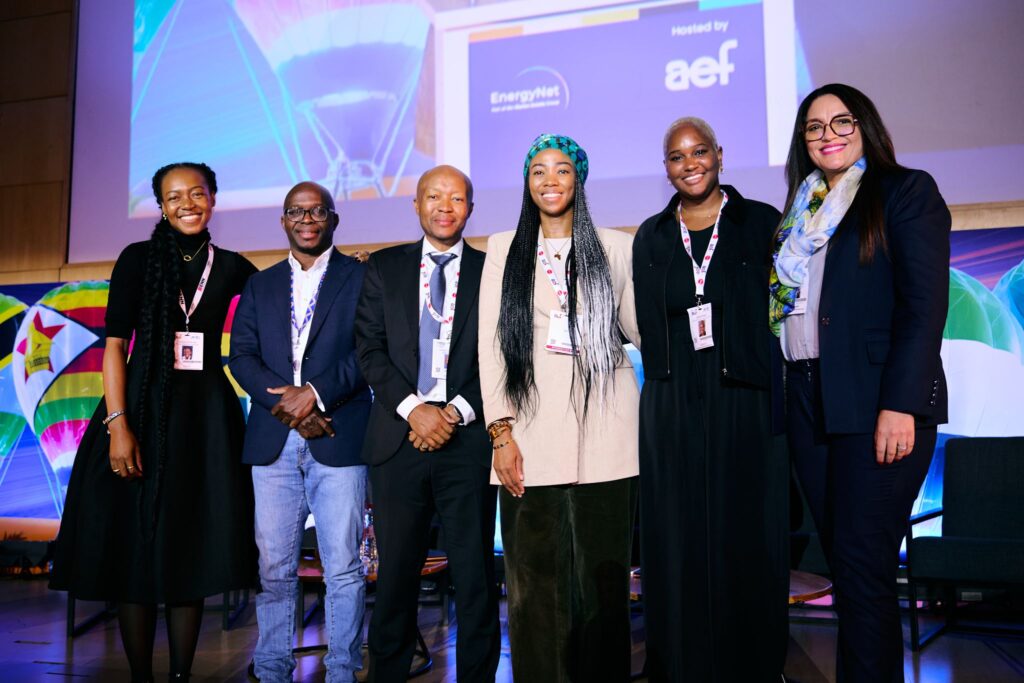
Women were 9% of the Africa Energy Forum’s 700 delegates in 2012 and 37% of nearly 3,500 in Cape Town this year, the Youth Energy Summit counted in. That is close to 1,300 women, almost twice the entire 2012 gathering, and it has changed which of the sector’s hardest questions they answer.
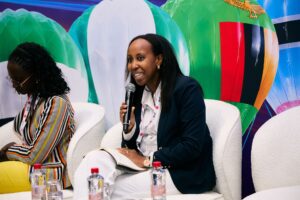
Shirley Webber, who leads resources and energy coverage at Absa’s corporate and investment bank, spent this year’s Africa Energy Forum making the case that access is the wrong place to stop. Africa’s energy ambitions have to reach all the way to industrial capacity, she said, to the value chains and the communities that grow up around power rather than the connection on its own. An industrialised economy needs power that arrives when it is called for, in her account, and firm capacity counts alongside the renewables. It was the sort of point that would once have been made across a room where fewer than one delegate in ten was a woman.
The share has moved a long way since then, and so has the room. The 2012 forum gathered around 700 people, 9% of them women, which put roughly 63 women in the building. By the 2019 edition in Lisbon the share had reached 26% of a room approaching 2,000. This year in Cape Town, counting the Youth Energy Summit that convened alongside the main programme, 37% of nearly 3,500 delegates were women, close to 1,300 of them. The women at this year’s forum outnumbered the whole of the 2012 gathering by almost two to one.
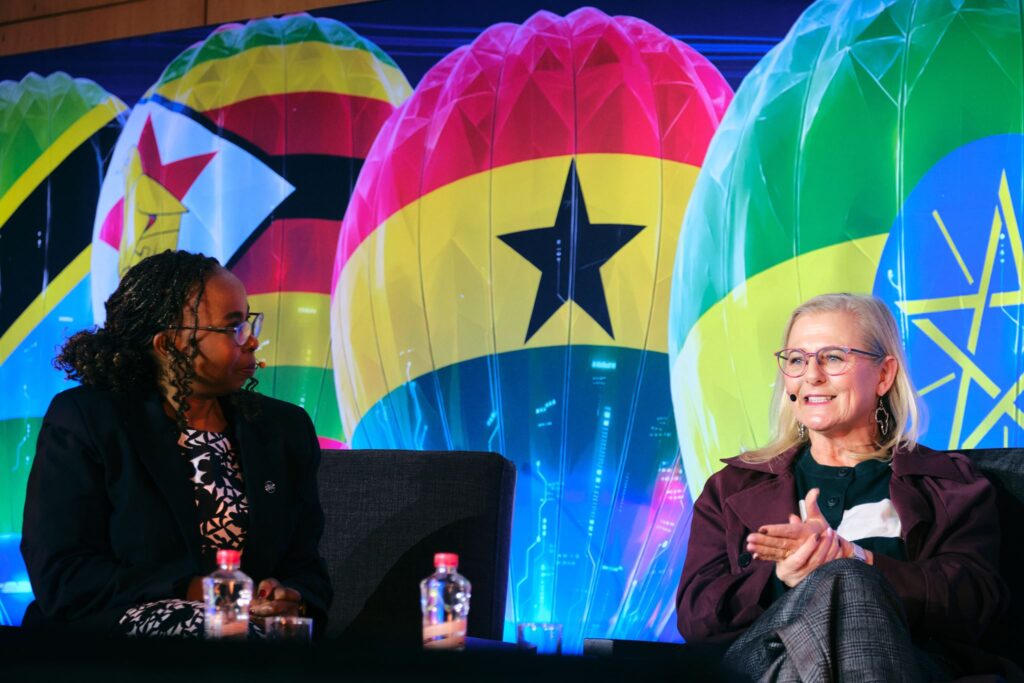
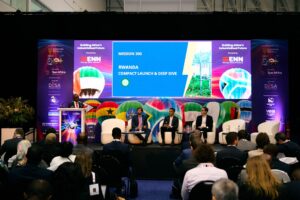
Among the senior figures in Cape Town were women running the continent’s largest programmes. Damilola Ogunbiyi, who leads Sustainable Energy for All and co-chairs UN-Energy, was there as the World Bank and the African Development Bank marked Mission 300 reaching 50 million people across 40 countries, a sixth of the way to its target of 300 million by 2030. “The 50 million milestone shows that Mission 300 is moving beyond ambition and delivering real results for people across Africa,” she said, crediting the political commitment of African governments behind the number.
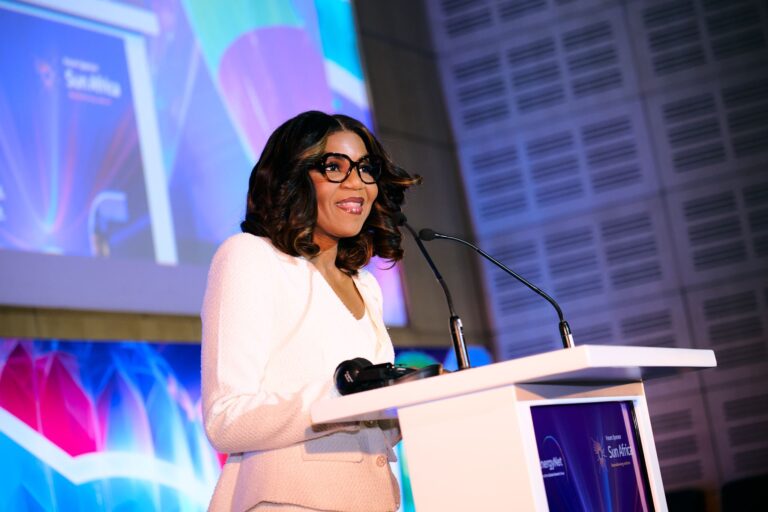
For Samantha Graham-Maré, then South Africa’s Deputy Minister of Electricity and Energy, the test of all of it is what changes in a home. “People don’t experience the energy transition through policy documents or international declarations,” she told the forum. “They experience it in their homes and their daily lives.” Her particular concern was clean cooking, the part of the access story most easily lost between the megawatts and the ministerial communiqués.
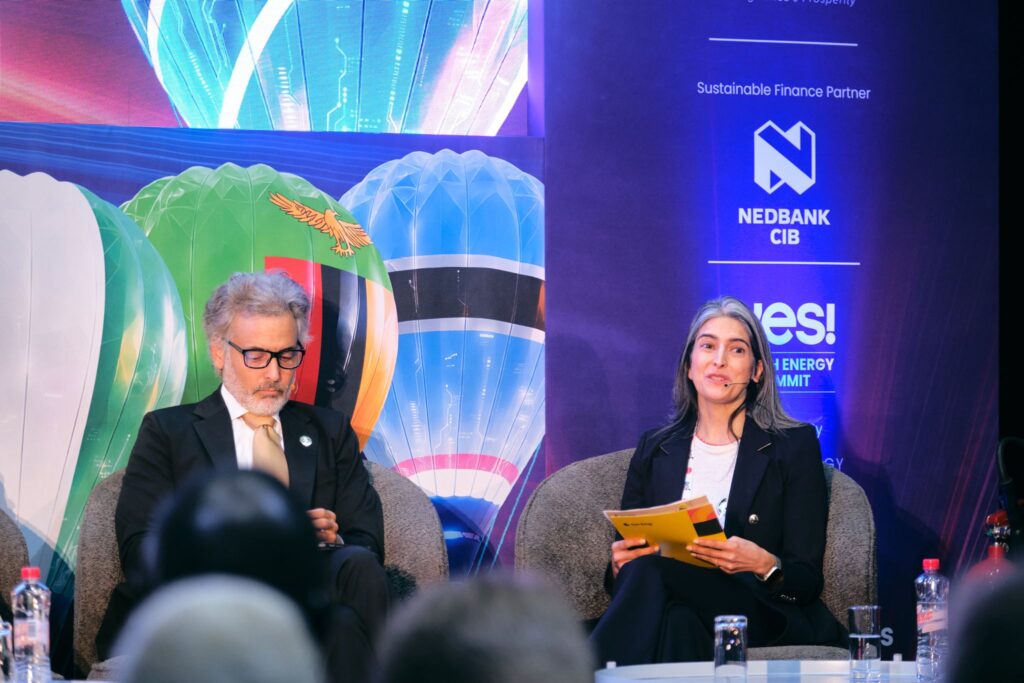
The private sector told a version of the same story. Radhika Thakkar of Sun King pointed to the network of aftersales technicians the company sends out when a solar system fails, the part of the operation that decides whether a household stays connected once the sale is done.
The next generation gathered at the Youth Energy Summit, and Jolene Shaw, General Manager at Knowledge Pele, was among the women speaking to it. Pele Green Energy began not as a power company but as an effort to change the lives of young South Africans, she told ENN, with energy becoming the means to do it. Her counsel to those starting out is to hold the long-term goal and build the networks and skills early rather than chase the quick wins.
The argument the women in Cape Town kept returning to was about what actually reaches people, not what gets announced. “Success should be measured not by the number of commitments we make,” Graham-Maré told the forum, “but by the number of households whose lives were improved.”