Africa power pool integration advances as the electricity highway carries load
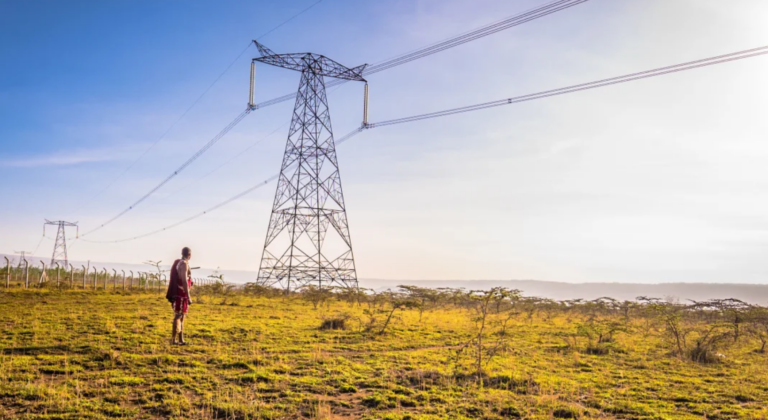
The Ethiopia to Kenya to Tanzania Electricity Highway is in trial operation at up to 2,000MW, and the southern and eastern trading blocs agreed common rules in February. Full synchronisation is targeted for the end of the year, which would create one of the world’s largest cross-border electricity corridors.
In February the Southern African Power Pool and the Eastern Africa Power Pool signed an agreement to harmonise their cross-border trading rules, the step that turns a wire into a market. Full synchronisation between the two is targeted for the end of 2026, and if it holds it would create one of the largest cross-border electricity trading corridors anywhere.
The southern pool coordinates planning and trading across 12 SADC member states, nine of which are physically interconnected. A World Bank programme approved last year, RETRADE SAPP, is deploying $12 million to strengthen renewable integration and transmission capacity across those members, which addresses the constraint that has held the market back more than any shortage of generation.
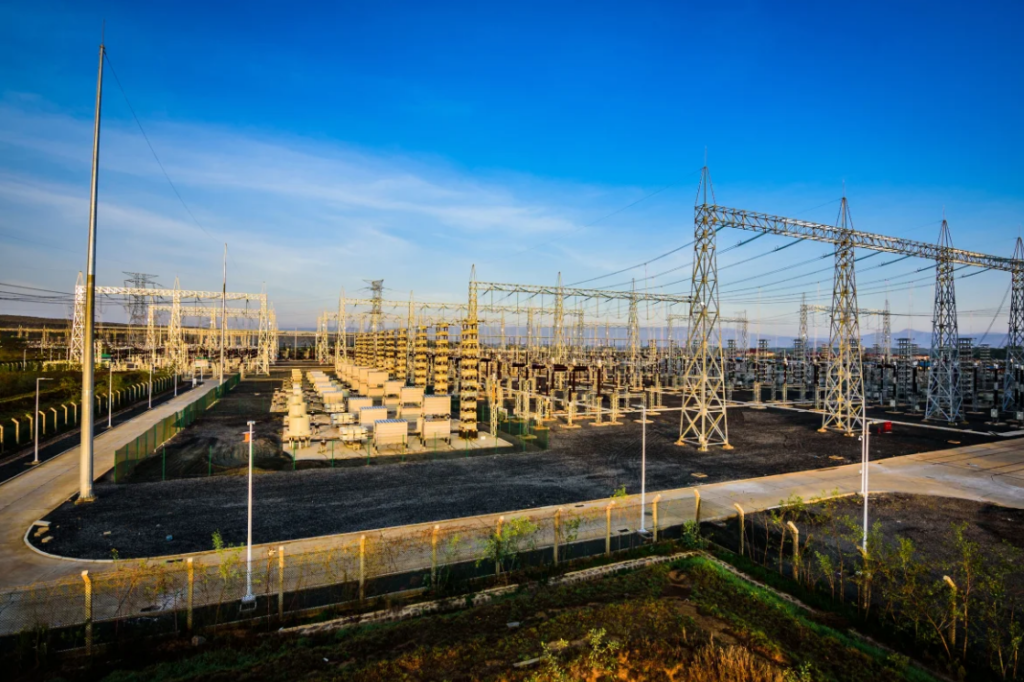
The case for all of it rests on what happens without it. Generation investment across the continent has accelerated in renewables and gas-to-power, while transmission and interconnection have not kept pace. Capacity built into a grid that cannot move it runs below its potential, and in a market with no neighbouring buyer a surplus at midday has nowhere to go.
West Africa is moving on the same logic. Permanent synchronisation of the West African Power Pool is expected during 2026, which the Africa Finance Corporation and others have argued is the condition for developing the region’s larger hydropower resources and serving industrial demand at scale.
Zambia offers a working example of what a member state has to change at home for any of it to function. ZESCO has introduced open-access regulations letting private producers wheel power across its network, alongside a multi-year tariff framework intended to give investors predictable returns. The corridor is being built at both ends, in the lines between countries and in the rules inside them.