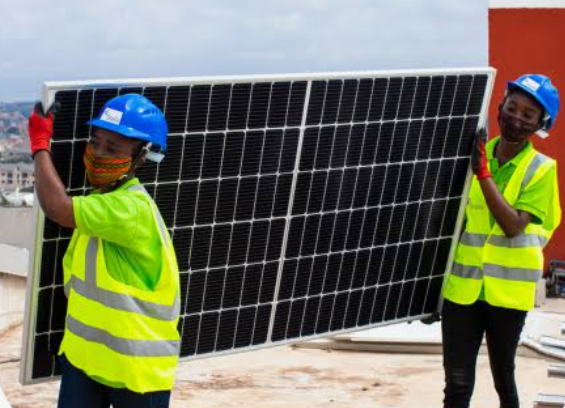
Clean captive energy grants open in sub-Saharan Africa with a 25% applicant contribution
UNEP and the Frankfurt School opened applications on 20 July under the second phase of a programme built around commercial and industrial power users. The window closes on 20 September, and applicants must reach implementation within 18 months, which sets the bar at projects already close to construction.
Applicants to the second phase of the Clean Captive Installations for Industrial Clients in Sub-Sahara Africa programme must contribute at least 25 per cent of eligible project costs and reach implementation within 18 months of an award. Those two conditions describe the projects the programme wants, which are ones with an offtaker and a business case held back by the cost of reaching financial close.
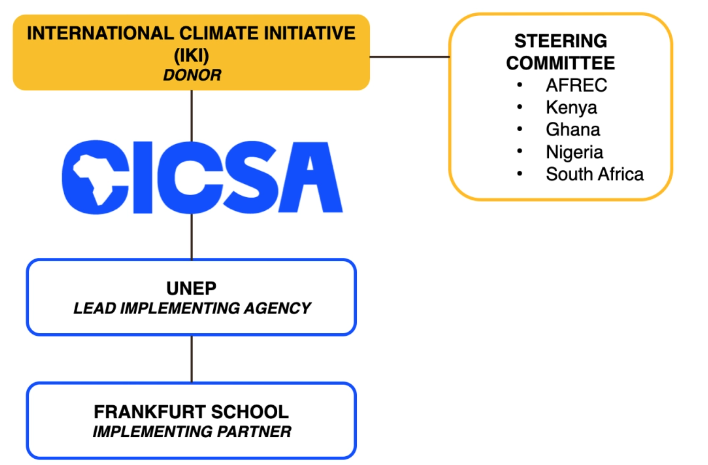
Applications opened on 20 July in two forms and close on 20 September. The first covers transaction costs and the design of a financing vehicle or instrument. The second funds capacity building. UNEP runs the programme with the Frankfurt School-UNEP Collaborating Centre for Climate and Sustainable Energy Finance, funded by Germany’s International Climate Initiative.
The eligible list reaches beyond developers. Renewable energy companies can apply, so can commercial and industrial energy users themselves, financial institutions, investment vehicles, training providers and industry associations. Consortia and joint ventures qualify where one organisation is named as lead applicant, and every applicant has to show the technical and financial capacity to carry the work through.
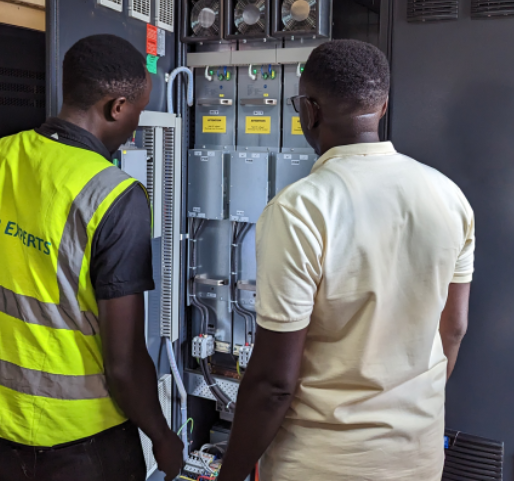
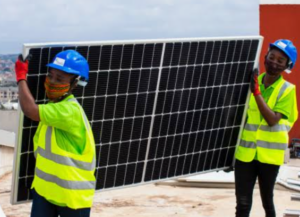
Clean captive installations are on-site generation built for a single user rather than for the grid, and the customers CICSA names are manufacturing plants, food processing facilities, healthcare institutions and other energy-intensive businesses. For those users the alternative is usually a diesel generator, which is why the economics of a captive solar plant with storage tend to work well before any subsidy is applied. The obstacle sits earlier, in development costs and the paperwork that gets a project to a point an investor will look at it.
Phase I ran from 2021 across Ghana, Kenya, Nigeria and South Africa, and funded six pilot projects. In Nigeria the grant went to PowerGen Renewable Energy Nigeria for a hybrid solar and battery system in Ogun State built to displace both diesel generation and grid purchases. UNEP published lessons-learnt studies from Kenya and Nigeria that were used to design what has now opened.
Successful applicants take on an obligation as well as a grant, since the programme requires them to share project data and lessons so others can repeat the model. That condition is the point of Phase II. The pilots established that clean captive works commercially, and what the second phase is testing is whether it repeats at volume without a grant behind every project.
All images credited to CICSA