EXCLUSIVE: Zambia’s grid must reach the copper, says First Quantum’s Anthony Mukutuma
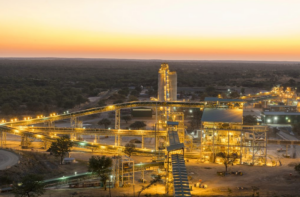
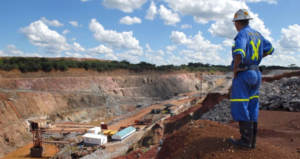
Anthony Mukutuma is Country Director for First Quantum Minerals in Zambia, where the Kansanshi S3 expansion is in operation. He tells ENN that Zambia remains energy deficient, that mining is not constrained by generation in the near term because mines take longer to build, and that the grid has to be expanded now.
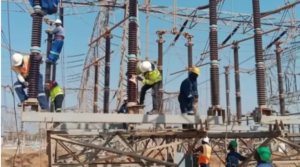
Anthony Mukutuma sets out the geography before anything else, since over 90% of Zambia’s in-country generation and its connection with SAPP sit in the south of the country, while the large mines, which are the large power consumers, are mainly in the north.
What a mine of Kansanshi’s scale needs from that system comes down to two things in his account, “availability of power and stability of the grid”, with more generation built inside the country to support “the growth of the mining industry and the 3mtpa copper production ambition”.
Beyond building at home, he wants the country wired into more than one neighbourhood, because “currently Zambia is only connected to SAPP” and, as he puts it, “interconnection with the Eastern Power Pool, for instance, will improve grid stability”.
Holding voltage across those distances is the other half of the problem, and he is precise about the fix, saying dynamic reactive power compensation is “required at a given site or sections of the grid” to keep things steady “during systems disturbances, fault recoveries or heavy load switching”.
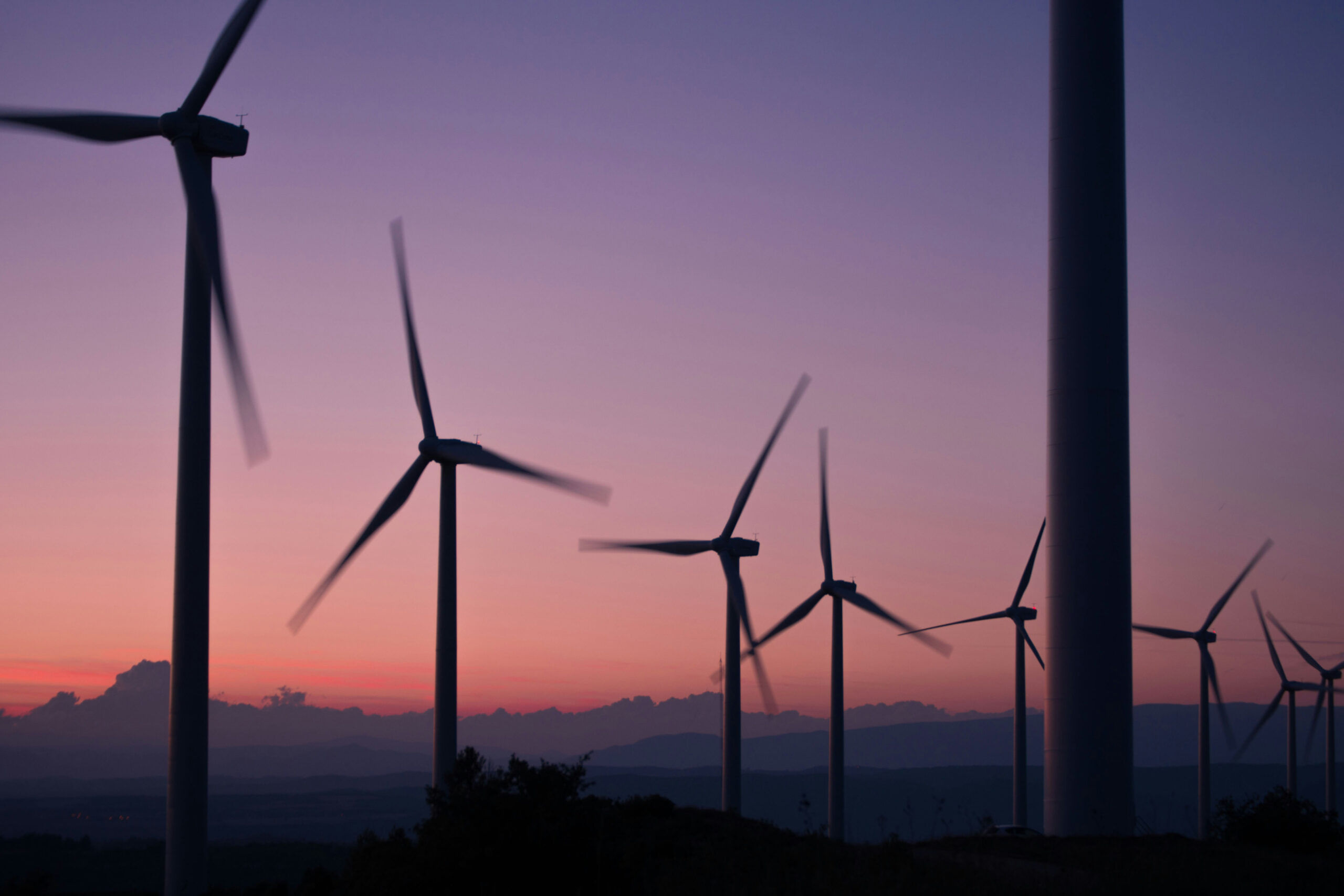
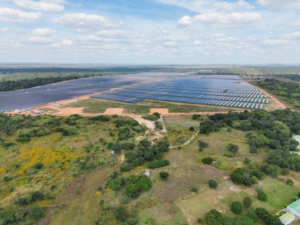
First Quantum puts money behind that while staying in its lane, since “we are a mining business and our approach is to focus on mining”, he says, with support arriving as funding for infrastructure projects or as the “offtake guarantees that are required to make projects bankable”. Three independent power producers are working with the company on solar, wind and hydro to increase incountry power generation. The company is also working with ZESCO on static compensators at two locations in the north-west.
Asked what constrains the sector most from the mining side, he answers in a single line, that “transmission and distribution infrastructure requires expanding and strengthening”, and on regional trade he expands, calling regional markets “the life-line for Zambian operations through the last drought” and, with more intermittent solar and wind joining the system, the regional markets will be critical in ensuring “there is base-load on the grid to provide stability”.
Zambia remains short of power, and the qualification he adds is about sequencing rather than sufficiency, since “the energy sector in Zambia is moving at a rate faster than the mining industry, in terms of increasing generation capacity”, and a mine takes longer to build than the plants coming up to serve it. What he asks for is reach, “expansion of the grid as there are still many parts of Zambia with great mining potential, based on exploration results, but are off the grid”, and he wants that expansion now rather than after the discoveries are made.
The consequence lands on where anyone looks for copper at all, with discoveries coming from beyond the Copperbelt and North-Western Province, and although “exploration decisions must not be made on the basis of proximity of the grid”, he says, “unfortunately this is the case, as the cost and time to develop a project will factor this in. You can see how energy infrastructure is impacting the growth of the mining industry.”
The Zimbabwe-Zambia Energy Projects Summit takes place in Livingstone, Zambia, from 3 to 5 November 2026.