EXCLUSIVE: Sipho Phiri tells ENN there is no point in generating power you cannot move
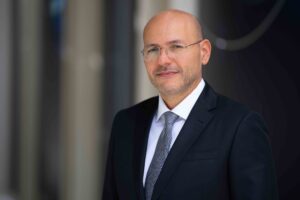
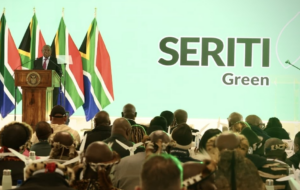
Sipho Phiri chairs Kwama Energy, which co-developed Ilute, the Zambian solar plant he calls Africa’s first non-recourse merchant power station. Speaking to ENN, he argues that generation is increasingly solved and that Southern Africa is already inside a transmission constraint, with lead times that leave very little room.
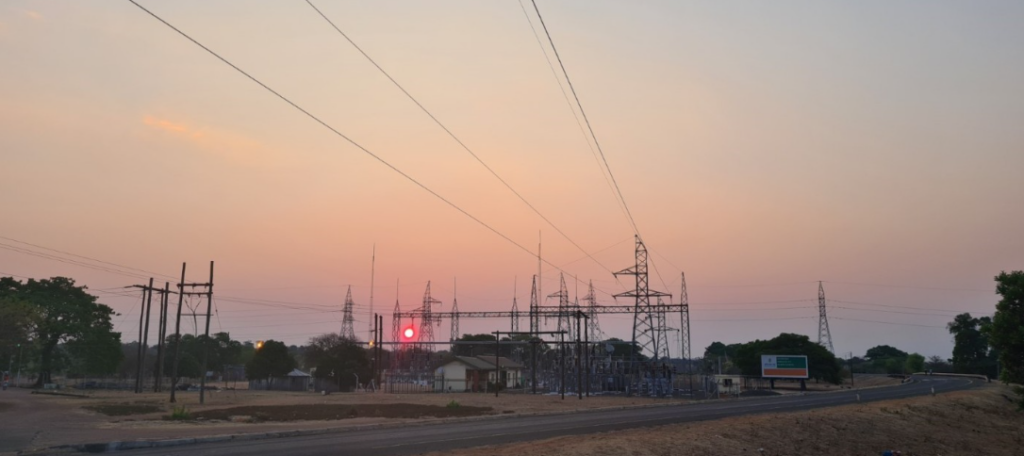
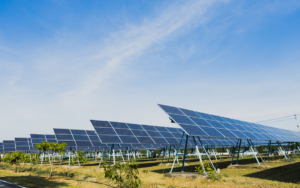
Ilute reached financial close in January, a 32MW solar plant near Sesheke in Zambia’s Western Province financed against the regional market it sells into rather than a government guarantee, and Sipho Phiri, who chairs its co-developer Kwama Energy, now worries only about transmission.
In Phiri’s account the private sector has largely solved generation while the network behind it remains unsolved. “There’s only one issue. It’s transmission,” he says. “Transmission is the choke point. And if we don’t solve the transmission issue, we are going to run into another crunch.” He calls it “far and away the most crucial issue”.
The crunch he describes is not a risk to plan for, in his telling, because the region has already reached it. “We’ve already started to run into that. It’s already started. So it’s not a question of we will run into it. We’re in it.” He wants new lines started now, given the two to three-year lead time on building them. “If we don’t resolve it now, with a two, three-year lead time, everything is going to halt. There’s no point generating power if you can’t move it. Those highways for electrons need to be built, and they need to be built with utmost urgency. We are on the verge of melting our power lines as it is, trying to move energy across the region.”
The same constraint reaches beyond Zambia’s borders into the region’s biggest economy, he says. “South Africa is the same story. They are by far the largest market in the region, but they too have run into this transmission issue.”
On who should own the wires, Phiri comes down on the side of the state utilities. “I’m a firm believer in the public sector. I don’t believe in privatising the state utilities. State utilities form a backbone of the energy sector and should remain like that.”
Transmission, in Phiri’s telling, is the next hard financing problem after the one Ilute set out to crack, the bankability that held generation back for a decade, and he would rather someone else solved it. “I’m not sure I want to be in transmission. I’m very keen that someone else pioneers that and solves the bankability and the build issues and the financing issues, so that we can focus on what we’re now very good at, which is generation, and then the wheeling is dealt with.”
Phiri puts the continent’s demand in plain terms, saying “the shortage of energy in Africa is just off the scale”, and in his account Zambia’s growing population will need substantial new supply simply to hold today’s access rate.
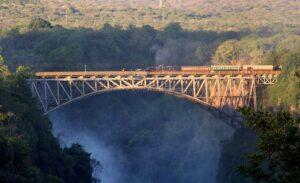
Critical minerals add to the load, with Zambia and the Democratic Republic of Congo, in his words, “at the centre of the world’s geopolitics around critical minerals”, and he reaches back to the Zambezi for the precedent. “Like Kariba, the Kariba Dam was built for mines.”
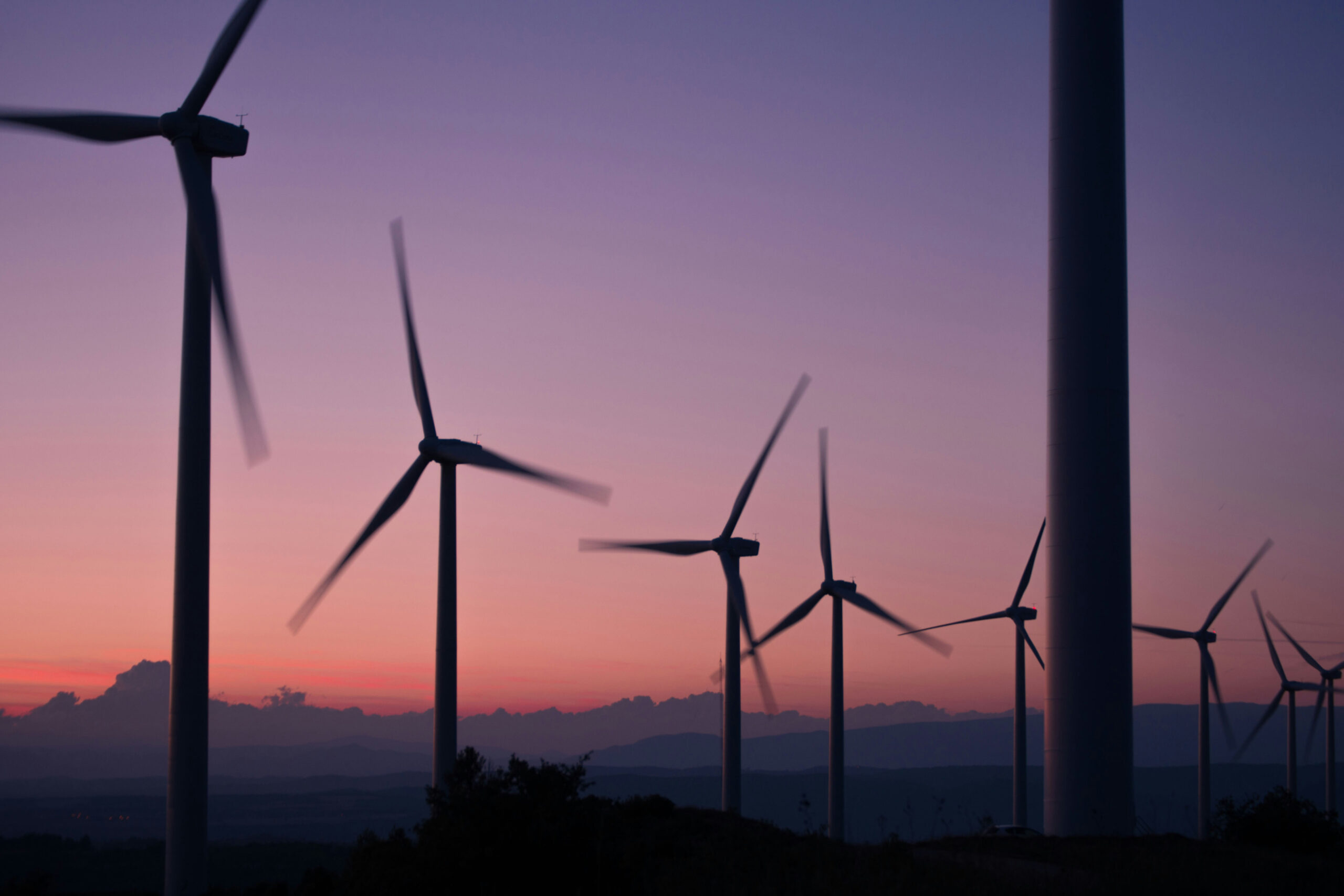
Behind Ilute, he says, Kwama’s own pipeline runs to a 230MW solar project and 200MW of wind in the first phase of Unica, with 150MW more in the second.
Images: Sipho Phiri