EXCLUSIVE: IGU’s Andrea Stegher on putting West Africa’s gas to work
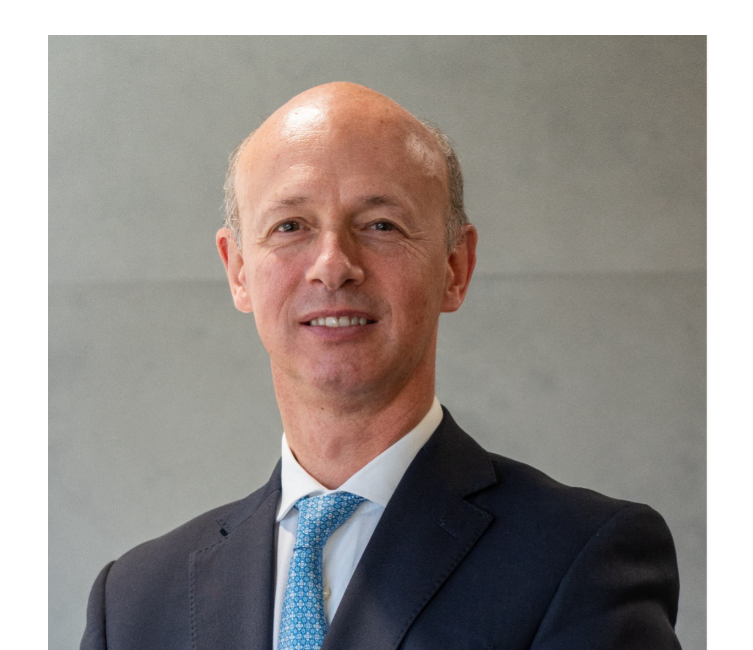
Andrea Stegher, President of the International Gas Union, on why West Africa’s gas should reach well beyond the power station. In written answers to ENN, he argues that using gas as a feedstock for fertiliser and petrochemicals would help create jobs and give new projects a broader customer base, provided governments give investors predictable rules.
Almost half of the natural gas consumed across Africa goes into generating power and just over 17% into industry, according to the International Gas Union’s Gas for Africa 2025 report, and Andrea Stegher sees in those figures a significant opportunity to put more of West Africa’s gas, and the continent’s, to productive use.
“Natural gas will continue to play an important role in providing reliable electricity across West Africa, including by supporting the integration of renewable energy,” Stegher said in written answers to ENN. “However, its contribution to the region’s development can extend much further.”
In his view, gas “should be capitalised on as a feedstock for fertiliser and petrochemical production”, since expanding its use “can help countries create jobs, strengthen local value chains and reduce dependence on imported products”. “It can also create a broader customer base for Gas infrastructure, supporting the commercial viability of new projects,” he said.
“Making more projects investable requires a coordinated approach across the entire Gas value chain,” Stegher said. “Investors need confidence that resources can reach the market, that there is reliable demand and that projects can operate within clear and predictable regulatory and commercial frameworks. Establishing stable policies, transparent licensing and pricing arrangements, as well as marrying infrastructure build out with demand centres would create a perfect environment for investment.”
For the next two years, he pointed West African governments to eight objectives set out in the Gas for Africa report, which the IGU published with Hawilti in November 2025 with support from Africa Finance Corporation. They include gas-based industrial clusters, with manufacturing located close to gas resources so that energy supply is integrated with processing and downstream industry, and regional gas networks developed alongside the African Continental Free Trade Area to create larger markets with better economies of scale.
Where markets are still young, the report recommends starting with modular projects at small scale that build demand before larger infrastructure is justified, while on the power side it calls for cost-reflective tariffs and greater private-sector participation to attract investment and widen access to electricity.
Domestic capital features as well, with the report urging governments to mobilise pension and sovereign wealth funds and strengthen local banks’ capacity to finance gas projects, as well as to put a price on emissions through carbon markets and carbon-linked financing that would support methane abatement and flare reduction.
“Clear policies, efficient markets and mobilised investment are critical to scaling solutions at the pace and depth required, especially in developing regions such as Africa,” Stegher said.