For Africa, gas is now a question of how, not whether
Volatile prices and a shifting geopolitical map have not cooled Africa’s appetite for gas. At AEF, Ghana’s Sulemana Abubakari, Genesis Energy’s Melissa Sikwila and Siemens Energy’s Marcus Nelle argued that gas remains the baseload an industrialising continent leans on, and that the harder work is building the value chain to use it at home.
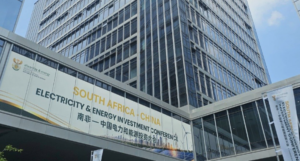
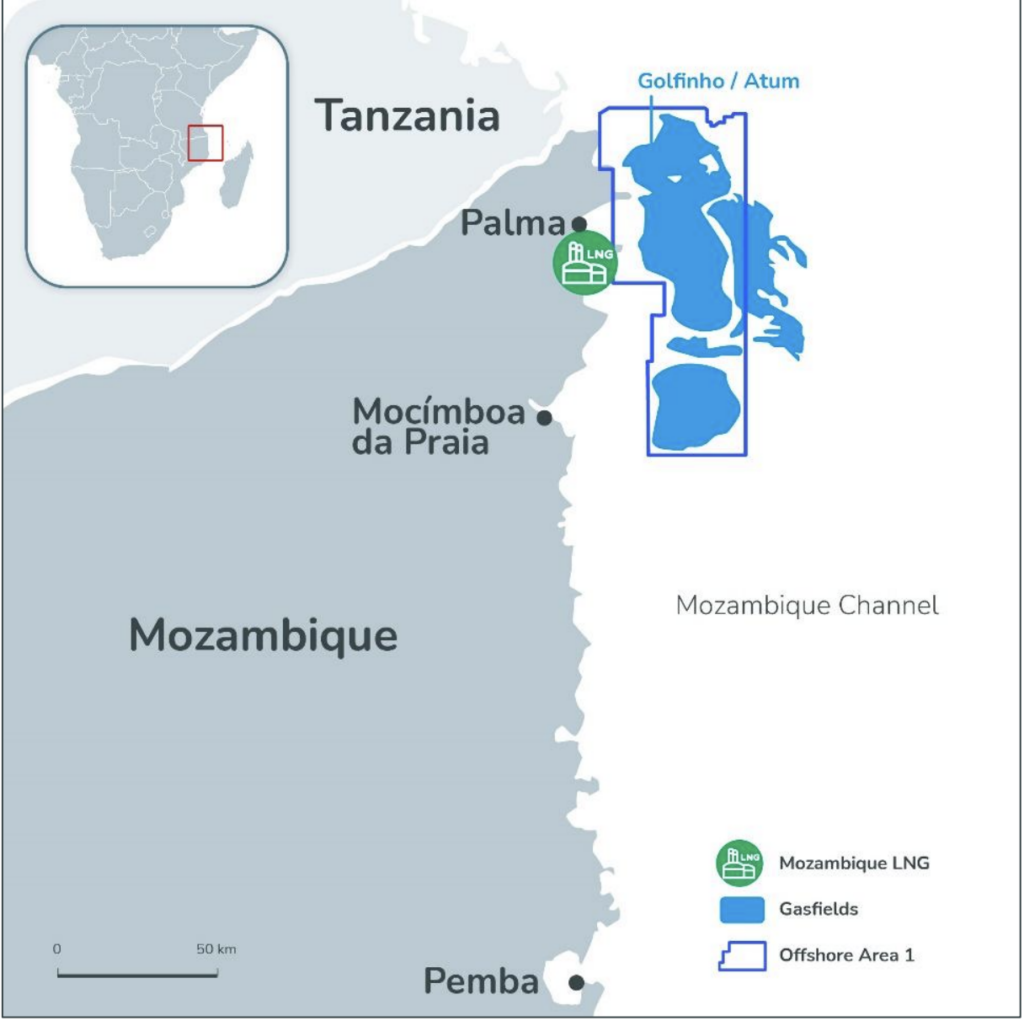
In January, work restarted at the TotalEnergies site in northern Mozambique, more than 4,000 workers mobilised onto a liquefied natural gas project frozen for almost five years. It was a fitting backdrop to the gas debate at the Africa Energy Forum, where the question was no longer whether gas belongs in Africa’s transition but how to build the value chain around it.
Sulemana Abubakari, Power Director at Ghana’s Ministry of Energy and Green Transition, put the confidence plainly. “The energy transition needs gas,” he said. Nomfundo Maseti of South Africa’s energy regulator pointed to continued appetite for gas infrastructure despite the volatility in global prices, at home and in neighbouring Mozambique.
Gas already generates around 40 per cent of the continent’s electricity, and the case at AEF was for using more of it at home rather than shipping it all out. Melissa Sikwila of Genesis Energy argued that Africa has to pull every lever across the value chain, pointing to the gas still wasted for want of processing. “There is an enormous amount of gas in Nigeria, for example, that gets wasted because we lack domestic liquefaction plants,” she said, before naming the planning that has held the sector back. “We have to learn fast and fail forward.”
Marcus Nelle, who leads gas services for Africa at Siemens Energy, set the longer view. “Looking back at Africa in the last 10 years, I can say we are more confident about gas,” he said. “Not just in terms of power generation, but feedstocks for processing industries and all the revenues and jobs this creates.”
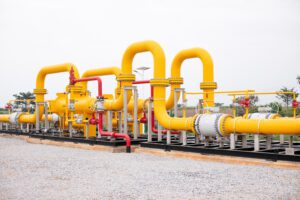
The obstacles are real, from a global queue for gas turbines that now runs to several years to the cost of building pipelines and import terminals. Yet with a new generation needed to anchor industry and process the continent’s minerals, the panel’s view was that gas is not a fuel Africa is ready to leave behind. As Karpowership’s Serdar Kumbasar put it, “gas is the cleanest and most sustainable fuel source” among the reliable baseload options on the table today.