In Abuja, Nigeria’s power sector works out how to make every megawatt pay
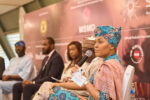
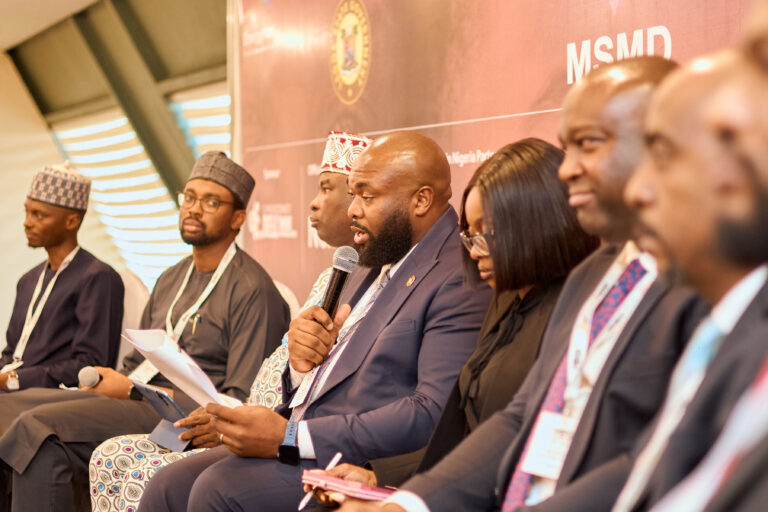
The power panel at Nigeria NOW! in Abuja treated Nigeria’s electricity as one system that has to be built and paid for together, and AEDC’s chief executive, Chijioke Okwuokenye, argued that the place to start on losses is energy accounting, before more meters are installed.
David Arinze of the Nigerian Economic Summit Group opened the session by setting aside the choices the debate over electricity distribution in Nigeria is usually framed around, grid or off-grid and public or private capital. “Serious investors do not invest in slogans. They invest in systems,” said Arinze, who moderated the panel with Rebecca Agadumo.
Problems run across the whole value chain and have to be solved together, according to Seun Suleiman, Managing Director of Siemens Energy West Africa, who said Nigeria has about 14,000MW of installed generation but usually distributes between 4,000MW and 5,000MW. Investors want to see the existing system working first, with the grid holding and transformers doing their job, he said. “Then the money will follow.”
Sunday Oduntan, Managing Director and Chief Executive of the Association of Nigerian Electricity Distributors (ANED), called for faster investment in distribution networks and metering, and for accurate customer data so that subsidies reach the people who need them. “We have to accelerate investment in the distribution infrastructure. We need modern transformers, stronger feeders,” he said.
Meters alone will not close the gap, argued Chijioke Okwuokenye, Managing Director and Chief Executive of the Abuja Electricity Distribution Company (AEDC), pointing to European networks where smart meters reach fewer than 10% of customers and losses are still below 10%. The first step, he said, is to separate technical losses from commercial ones by mapping every customer to the transformer that feeds them and metering the transformers themselves, an approach he said had brought losses on some feeders down to single digits. “I think it is more about energy accounting,” said Okwuokenye.
AEDC’s next tranche of investment will go into distributed generation, Okwuokenye said, aimed at large customers who already run their own generators because the quality of supply has not been good enough. “Why not take that demand?” he asked.
His advice to developers in the room was to plan before raising money, and he said a developer who brings a network’s losses down from 30% to 10% creates a win for everybody, though many DisCos still fear developers taking their markets. “You must have a plan. And for you to have a plan, you must have knowledge,” he said. “If you have a very good plan, money will come.”
Investors look first at a developer’s track record and pipeline, said Farai Sekeso, Investment Director for distributed renewable energy at Africa50, and then at whether the land and permits are secured for as long as it takes to recover the capital, the stage at which he said many projects fail. “Projects are all about risk allocation and structuring,” he said, adding that Africa50 works with developers to make projects bankable.
The people who will build that system were the subject for Abdallah Garba, Chief Executive and Co-founder of AAG Energy Solutions and the panel’s youth speaker. “You rarely find programmes that train people on things like energy audits, even system design,” he said, adding that project management and entrepreneurship deserve more attention in education. “Most entrepreneurs learn business through mistakes they make.”
Arinze closed by asking whether, by this time next year, developers will reach financial close faster and DisCos will supply more reliable power and collect more efficiently. “Generation only becomes valuable when networks can carry the power,” he said.