South African refinery closures trigger R76 billion finished petroleum import surge
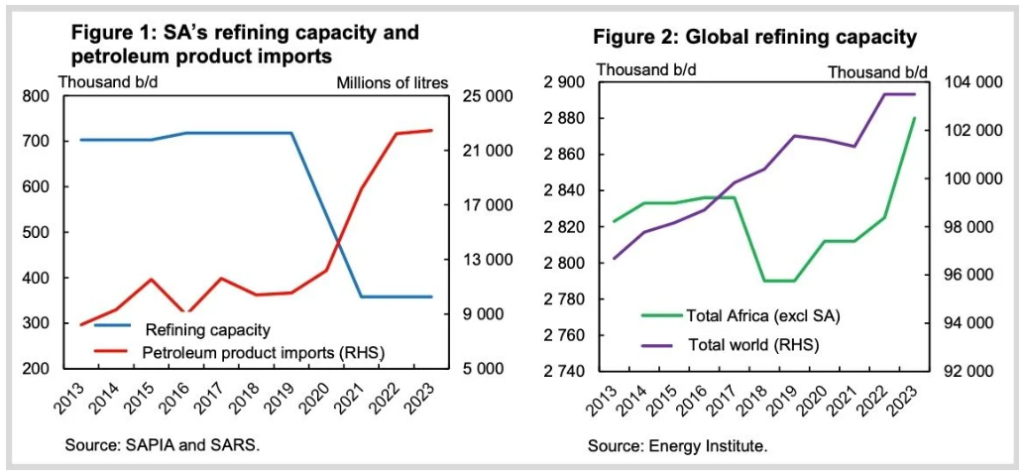
The South African Reserve Bank has linked structural macroeconomic strains to a 65 per cent decline in national petroleum refining operations. As processing assets idle, central bank governors trace an incremental R76 billion fuel import cost that exposes localised distribution networks to volatile global maritime product channels.
At the South African Reserve Bank headquarters in Pretoria, economists have quantified the domestic currency drag of industrial asset degradation. Rising structural current account deficits follow a contraction in finished fuel manufacturing, with processing volumes tracking far below historic liquid consumption requirements. For decades, the local industrial complex relied on integrated crude processing hubs across Durban and Sasolburg to insulate commercial distribution from international market fluctuations. This downstream capacity contraction shifts policy focus from resource allocation debate to balance sheet corrections.
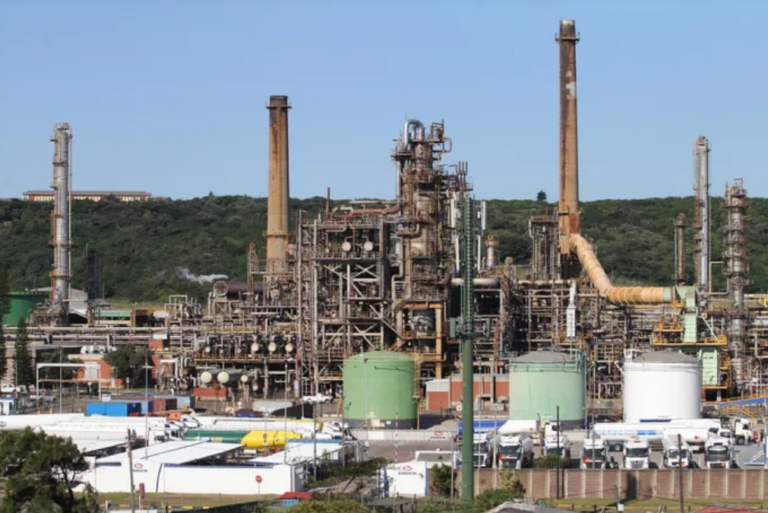
Active throughput across crude, coal-to-liquid, and gas-to-liquid processing facilities has fallen to 250,000 barrels per day from an installed baseline of 720,000 barrels per day. Central bank researchers advanced the metrics to track the structural shift since 2019, noting that continuous plant idlings and storage terminal conversions have eliminated 5,400 industrial manufacturing jobs. Relying on imported finished product rather than primary crude procurement removes the localised supply buffer, exposing commercial haulage networks to maritime transport disruptions.
Liquid fuels manufacturing output fell 20 per cent over the seven-year assessment period. Multi-national oil majors have deferred long-term refinery capital expenditure allocations, transitioning corporate structures to focus on coastal storage logistics rather than heavy manufacturing reinvestment. Regulatory data points to permanent dependence on foreign processing hubs unless state-backed infrastructure development interventions secure alternate investment pipelines.
Bilateral midstream diversification strategies across sub-Saharan Africa highlight changing regional supply patterns. Private terminal developments clearing near deepwater ports establish alternate fuel corridors, isolating secondary markets from the logistics bottlenecks that slow older industrial networks.
Stabilising the downstream processing balance remains a primary factor in South Africa’s macroeconomic performance. Reserve Bank modelling indicates the import imbalance will widen without regulatory structural adjustments to draw private manufacturing equity back to coastal hubs. Ultimately, the contrast between this domestic manufacturing retreat and the mega-refinery capital deployments clearing West African markets will dictate how international financiers allocate industrial infrastructure funding across the continent.
Photo & Graphics: Doctor Ngcobo & Daily Investor