Deneys Returns Amid Africa’s Investment Drive
As Africa enters a period of unprecedented infrastructure, energy and industrial development, the legal profession is evolving alongside it. The transactions shaping the continent’s future are becoming larger, more complex and increasingly cross-border, requiring firms that combine deep local knowledge with international expertise and commercial agility.
Against this backdrop, Deneys has re-emerged as an independent South African law firm, reviving a name that has been part of the country’s legal landscape for more than a century. The move marks a significant transition for the firm, positioning it to define its own strategy, partnerships and investments at a time when clients are navigating shifting geopolitical dynamics, energy transition opportunities and major infrastructure programmes across Africa.
For Deneys, the relaunch is about more than a return to a historic name. It is a statement about the firm’s future direction, its commitment to supporting Africa’s growth agenda, and its ambition to develop the next generation of legal talent in a rapidly changing professional environment.
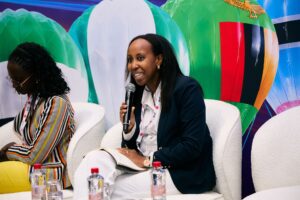
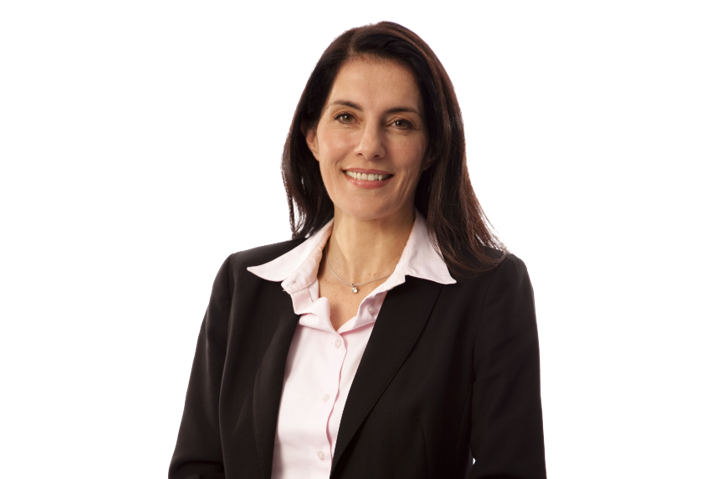
In this interview, Jackie Midlane, Deneys’ Head of Banking & Finance, Projects discusses the thinking behind its return, the opportunities independence creates for clients, the firm’s role in Africa’s infrastructure and energy expansion, and why investing in people remains central to its long-term strategy.
Q1. Deneys has returned as a firm name at a time of major change across business and industry. What does this new chapter represent for the firm, and why was now the right moment to reintroduce the Deneys identity?
The Deneys name predates our time within Norton Rose Fulbright by decades, and it carries the weight of more than a century of South African legal practice. Reclaiming it is both a statement of respect for that history and a clear signal of where we are headed. For us, this was never simply a rebrand but a declaration of intent about the kind of firm we are building.
This represents the opportunity to invest, innovate and evolve in direct response to our clients’ priorities, and to do so from a position of genuine strength. We enter it with more than 200 legal staff across three offices, a strong pipeline across energy, infrastructure, regulatory and insurance work, and a leadership team deeply committed to building something that endures.
The timing reflects a natural evolution for both firms, as the dynamics of international markets and client needs have shifted considerably. Clients are navigating an environment in which former geopolitical alliances are less reliable and new blocs are forming, and locally owned and independently governed firms are well placed to respond to those realities with decision-making sitting close to the work and the client. Firms that joined global networks over the past three decades gained international discipline and produced a generation of African lawyers comfortable at the highest levels of cross-border work, and that foundation is one we are proud to carry forward. What independence unlocks is the ability to build on it with the agility and focus that the decade ahead demands. South Africa is our foundation, Africa and the world are our horizon.
Q2. The relaunch positions Deneys as a firm built for the future while drawing on more than a century of legal history. How do you balance heritage and continuity with the need to evolve alongside rapidly changing client demands and markets?
Heritage is not a constraint for us, it is the foundation from which everything else is built. The lawyers who shaped this firm over the past century understood that the highest calling of the legal profession is not to preserve the status quo but to be fluent enough in its language to reshape it, and that philosophy is as relevant now as it has ever been.
The world our clients are operating in is changing in ways that are both rapid and structural. AI is compressing traditional ways of working, the international order is being redrawn, and the infrastructure, energy and industrial demands across Africa are accelerating in ways that create extraordinary opportunity for firms with the right capabilities. Independence gives us the ability to invest where it matters most and to select the right international partner for each matter based entirely on what the client needs; for clients with complex cross-border requirements, that is a genuinely different way of being served. The most credible firms in this environment are those that have taken the disciplines built over years inside world-class institutions and applied them on their own terms, in their own markets, and that is precisely what Deneys is positioned to do.
Q3. Independence gives Deneys the opportunity to define its own strategy, partnerships and investments. How will this flexibility help the firm better support clients operating across South Africa and the wider African market?
Our accountability, professional, ethical and commercial, runs directly to the jurisdictions in which we practise, and that shapes everything about how we engage with clients. It means we can move quickly on the issues that matter most in the markets we serve, adopt new approaches and respond to our clients’ evolving priorities. For clients, that translates into a firm that is genuinely present and genuinely responsive.
Africa is at an extraordinary moment of infrastructure, energy and industrial development, and the clients shaping that growth need a firm that can engage with it with deep local knowledge and real strategic commitment. Our pipeline reflects that intent, with particular momentum in energy, infrastructure, regulatory and insurance work, and we are building Deneys to be the firm those clients turn to for the long term.
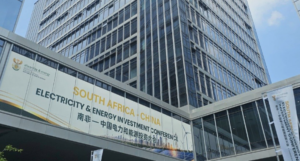
Participating in platforms like the Africa Energy Forum is directly connected to that ambition, it keeps us at the centre of the conversations shaping the continent’s energy and infrastructure future and reinforces our visibility in the sectors where we are investing most deeply.
Q4. Deneys enters this next phase during a period of significant infrastructure, energy and industrial growth across Africa. What role does the firm hope to play in supporting the transactions, investments and developments driving the continent’s future economy?
Africa’s infrastructure, energy and industrial growth is not a story about the future, it is happening now, and the legal complexity it generates requires firms with genuine depth and long-term commitment to the markets they serve. For more than a century this firm’s lawyers have advised on the critical transactions, disputes and infrastructure developments that have shaped South Africa’s economy, and we carry that experience forward under our own name, with a clear intent to serve the wider African market more deeply.
The sectors driving the continent’s growth trajectory, energy transition, large-scale infrastructure, industrial development and the regulatory frameworks that underpin them, are precisely where our practice is strongest and where we are continuing to invest. We see this moment not as a backdrop to what we do but as the central opportunity that defines what Deneys is being built for. The continent’s growth story is, in the most direct sense, our growth story too.
Q5. The launch of Deneys also places strong emphasis on people, transformation and leadership development. As the legal sector evolves, what kind of culture and talent pipeline are you looking to build under the Deneys brand?
Our people are the foundation of everything we do, and building the next generation of South African legal leaders is not incidental to Deneys’ strategy but central to what the firm exists to do. Creating genuine opportunities for talented lawyers to grow, lead and shape the future of the profession is a priority that only sharpens as we grow under our own name.
The AI revolution is compressing the traditional legal pyramid in ways that present a real risk if firms allow efficiency to become the dominant consideration. In South Africa, decisions around developing junior talent cannot be separated from the youth unemployment crisis, the intergenerational transfer of professional opportunity and the importance of black South Africans building careers at the highest levels of the profession. These are not side considerations but the whole point, and if the profession stops investing in junior practitioners now, the bench of experienced senior talent begins to thin within a decade in ways that are very difficult to reverse.
Transformation is a core strategic commitment for Deneys, and we are building a firm that reflects the diversity and talent of the profession and the society it serves. Recent appointments to our leadership team and to the firm reflect that intent, with further investment in the pipeline planned as we grow under the Deneys banner. We want this to be the firm where the next generation of South African legal leaders builds their careers and where the standards this firm has upheld for more than a century are carried forward by people who genuinely represent the country we serve.