GE Vernova: Africa can leapfrog the grid challenges seen elsewhere.
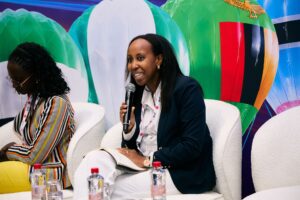
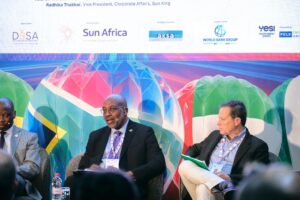
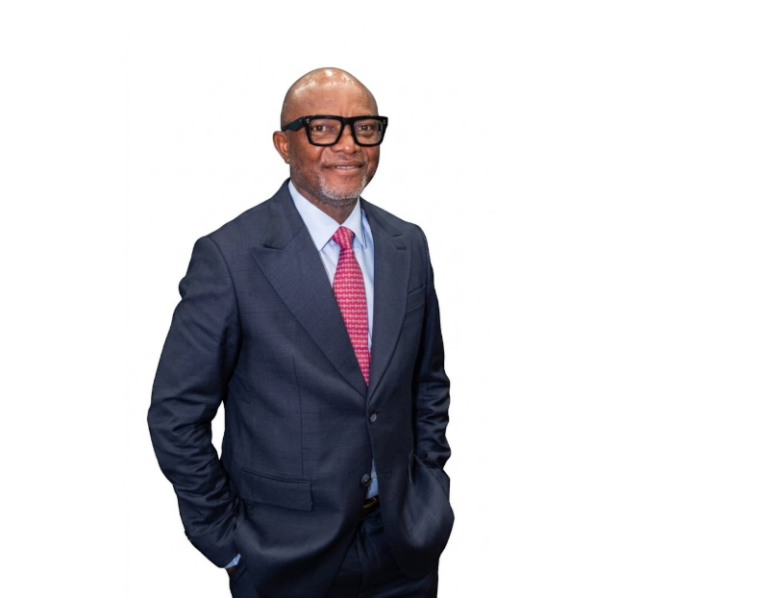
The world is in the middle of an electricity investment supercycle, a shift Kenneth Oyakhire likens to the arrival of the internet, and he believes Africa has the chance to build the backbone of its economy rather than simply expanding access. That was his message to leaders at the Africa Energy Forum in Cape Town.
Oyakhire, MD and CEO for Sub-Saharan Africa, Gas Power at GE Vernova, said the nature of investment in the sector has changed. It is no longer only a question of adding capacity and megawatts, but ensuring the grid remains secure and stable as that capacity is built. He described GE Vernova’s own role as shifting the paradigm from a traditional hardware-supply model toward managing system-wide performance, bringing the reliability expertise of a global installed base that generates approximately 25% of the world’s electricity to the continent.
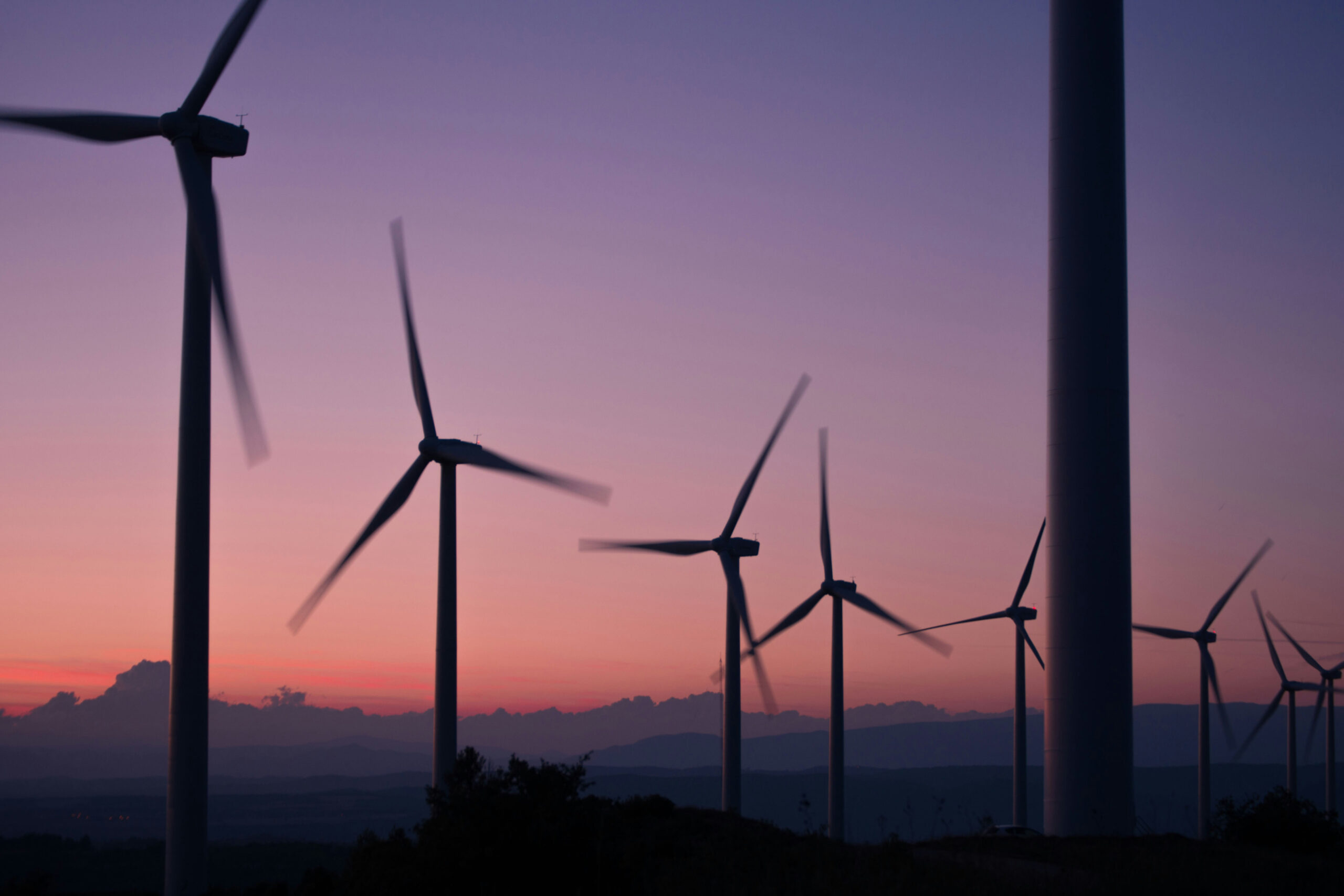
On grid stability, Oyakhire pointed to the 2025 Spanish blackout as a vital lesson. As wind and solar penetration increases, the retirement of conventional synchronous machines creates a “stability gap” that must be proactively addressed. He set out how GE Vernova helps fill it, using fast-ramping aeroderivative turbines alongside synchronous condensers for dynamic voltage control, supported by advanced power electronics and storage. Africa, he argued, is uniquely positioned to leapfrog the challenges currently facing European grids, ensuring that its industrial growth rests on a system that is stable by design.
GE Vernova is moving beyond technology delivery to embed operational expertise within the region. In South Africa, the company through the Next Engineers program in Johannesburg, has reached nearly 4,100 learners, complemented by comprehensive bursaries totaling $7.3 million to more than 900 beneficiaries pursuing Bachelor’s degrees in Science, Commerce, and Arts since 2020 to date. On the supply-chain side he pointed to GEAT, the company’s joint venture with Sonelgaz in Algeria, which is functioning as a hub for advanced manufacturing and repair.
Reflecting on the forum, Oyakhire described the atmosphere as ‘electrifying.’ He noted that by convening leaders from the public and private sectors to tackle issues that matter – from energy security to the regional connectivity required to link the continent’s power systems – the forum helped ensure that Africa’s energy potential translates into a truly industrialized future.