ECOWAS battery storage rules agreed in Accra as Ghana procures 200MW of batteries
ECOWAS energy ministers meeting in Accra on 22 October adopted a regional directive on battery energy storage, setting a common framework for storage on West Africa’s grids, as Ghana’s energy minister, John Abdulai Jinapor, told them his country is procuring a 200MW battery system and a 200MWp solar plant to charge it.
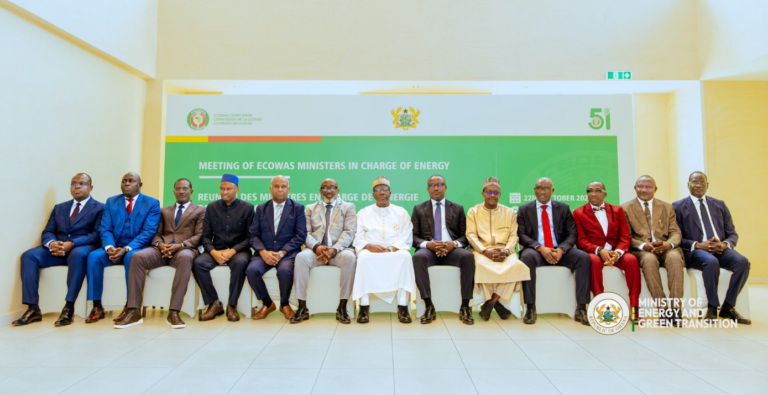
ECOWAS member states now have a common framework for deploying battery energy storage, after the region’s ministers in charge of energy adopted a directive on battery energy storage systems and other storage technologies at their 16th meeting, held in Accra on 22 October, according to the ECOWAS Centre for Renewable Energy and Energy Efficiency (ECREEE).
The directive covers grid-connected and off-grid storage and sets out measures at regional and national level on how storage is licensed and how it takes part in the electricity market, with requirements for the safe handling and recycling of batteries, and member states can use it as the basis for their own regulations.
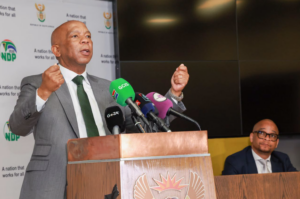
Opening the meeting, Jinapor said Ghana was procuring a 200MW grid-scale battery energy storage system together with a 200MWp solar PV plant that would supply the power to charge it, adding that “Battery Energy Storage Systems have become increasingly important to modern electricity systems”.
He told ministers that Ghana had raised its payments to independent power producers from about 40% of their monthly bills to nearly 100%, and that “the future of energy security is not just simply about the power we generate”.
Amin Amidu Sulemani, the ECOWAS Commissioner for Infrastructure, Energy and Digitalisation, told the meeting that “if we operate independently, it will be difficult in the energy sector”, and said battery storage could support solar power at peak demand and lower the cost of producing electricity. Some 61% of people in the region have access to electricity, leaving nearly 180 million without it, according to figures cited at the meeting.
Ministers were also due to consider an amendment to the ECOWAS Regional Electricity Market Levy regulation, which funds the regional institutions that run West Africa’s electricity market, among them the West African Power Pool and the regional regulator ERERA.
The ministerial session followed two days, on 20 and 21 October, in which experts from member states examined the storage directive and the levy regulation, with ECREEE’s delegation led by its executive director, Gibson Obasi.